
Ready to Schedule?
Save time by selecting your own appointment slot through our secure scheduling portal.


Medically reviewed by Miller Vein
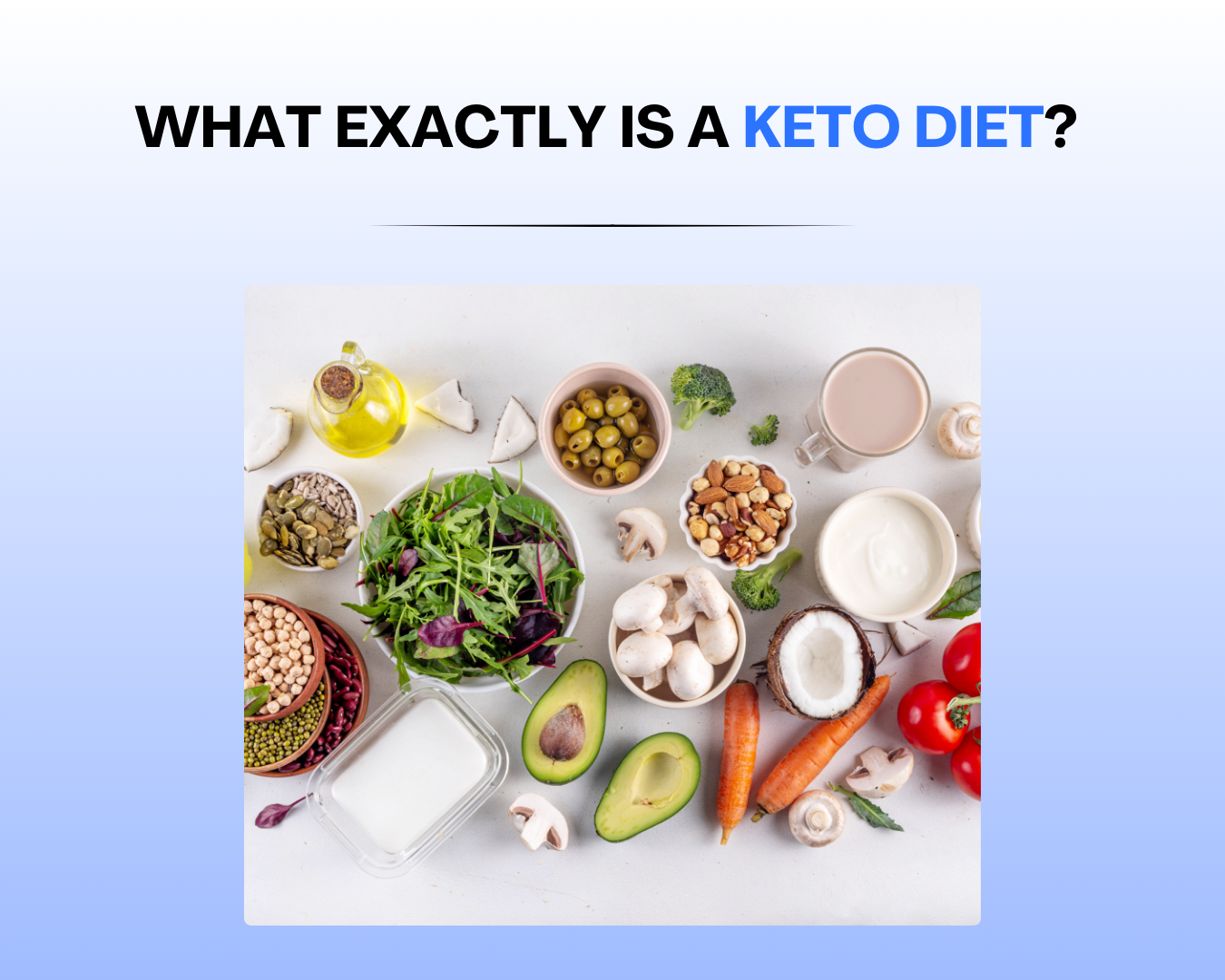
We’ve heard of Mediterranean diets and dairy-free diets, but what is a keto diet?
In recognition of National Keto Day, we’re here to tell you exactly what that means and if it’s the right choice for you and your vein health.
Miller Vein offers state-of-the-art vein care at all eight of our Michigan clinics.
A keto diet (or a ketogenic diet) is known for being a high-fat diet with a focus on protein and a decrease in carbohydrate intake. This diet is meant to put your body into ketosis. Ketosis is a metabolic state that forces your body to draw energy from fat instead of glucose, which produces the acid called ketones.
Keto diets are not limited to one type. There are different approaches you can choose from. However, it is important to do proper research and talk with your healthcare provider before making significant dietary changes. There are many types of keto diets, but we will only mention a few:
Diet plays an important role in overall vascular health, including vein function. While the keto diet is not a treatment for vein disease, certain aspects of the diet may indirectly influence vein health.
Potential benefits related to vein health include:
Potential concerns for vein and circulatory health include:
For individuals with existing vein disease, such as CVI, dietary choices should support overall circulatory health rather than place additional stress on the vascular system.
The answer to this question will vary from person to person. Some reported benefits of the keto diet include weight loss, management of type 2 diabetes, neurological benefits, and seizure control in people with epilepsy.
However, potential drawbacks include nutrient deficiencies, possible cardiovascular effects, dehydration, and gastrointestinal issues. Because vein health is closely tied to cardiovascular health, these risks should be carefully considered.
The keto diet is a popular choice for people looking for a high-fat, low-carbohydrate eating plan. While it may offer benefits for some individuals, it is not a one-size-fits-all solution—especially for those with circulatory or vein-related conditions.
If the keto diet sounds like something you’d like to try, we recommend speaking with a dietitian or healthcare provider to determine whether it aligns with your overall health goals and supports long-term vascular health. At Miller Vein, we encourage lifestyle choices—including nutrition—that promote healthy circulation and vein function.
References: UC Davis Health. (2025). What is the keto diet, and can it be beneficial for you? Paoli, A., Rubini, A., Volek, J. S., & Grimaldi, K. A. (2013). Beyond weight loss: A review of the therapeutic uses of very-low-carbohydrate (ketogenic) diets. European Journal of Clinical Nutrition, 67(8), 789–796. Hallberg, S. J., McKenzie, A. L., Williams, P. T., et al. (2018). Effectiveness and safety of a novel care model for the management of type 2 diabetes at 1 year. Diabetes Therapy, 9(2), 583–612.
Prefer a call? Fill out the form below, and our team will reach out to help you coordinate your visit.
"*" indicates required fields
Save time by selecting your own appointment slot through our secure scheduling portal.
