Ready to Schedule?
Save time by selecting your own appointment slot through our secure scheduling portal.


Medically reviewed by Miller Vein
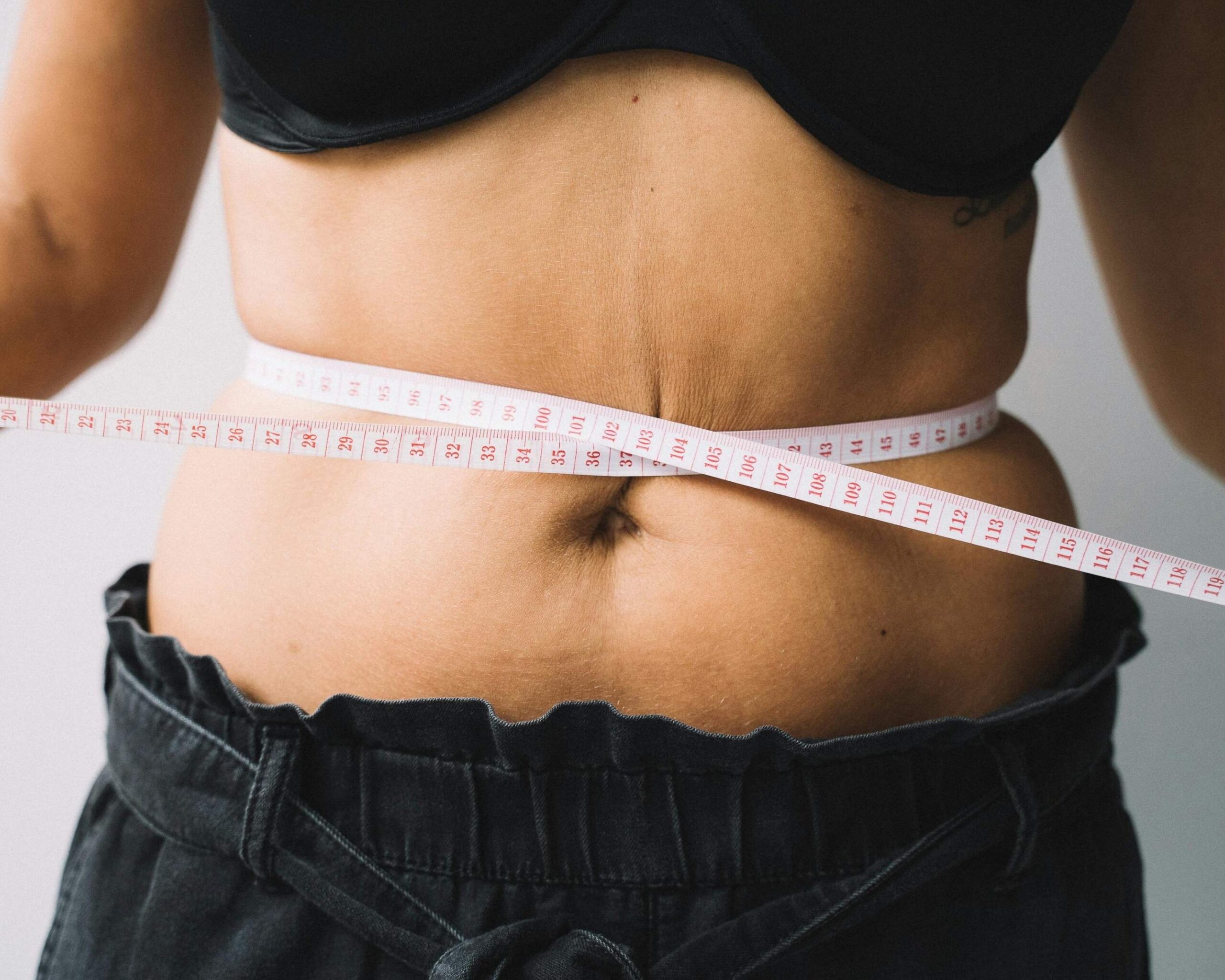
New studies, including one from the Journal of Arthroplasty, reveal that the timing of weight loss before a total hip replacement can significantly influence your recovery and risk of complications. Here’s what you need to know.
Many doctors recommend weight loss before surgery because a high body mass index (BMI) has been linked to complications like infections or poor wound healing. That’s still true—but a 2024 study found that losing weight in the 3 to 9 months before surgery might actually increase your risk of complications. Those who lost weight at least a year ahead of time had fewer infections and better outcomes.
When you’re ready, you can browse our vein treatments with our team.
Rapid or recent weight loss might weaken the immune system or impact how well you heal. Weight loss over a longer period allows your body to stabilize and better prepare for surgery.
Another study looked at patients with a BMI over 40 and found no clear benefit from losing more than 5% of their body weight before surgery. Delaying surgery to lose weight could mean more time living in pain and limited mobility without real surgical benefit.
Shul C, Hameed D, Oster B, et al. (2024). The Impact of Preoperative Weight Loss Timing on Surgical Outcomes in Total Hip Arthroplasty. J Arthroplasty, 39(6), 1424-1431.
LaValva SM, Grubel J, Ong J, et al. (2024). Is Preoperative Weight Reduction in Patients With BMI ≥ 40 Associated With Lower Complication Rates After THA? J Arthroplasty, 39(9S1), S73-S79.
Prefer a call? Fill out the form below, and our team will reach out to help you coordinate your visit.
"*" indicates required fields
Save time by selecting your own appointment slot through our secure scheduling portal.
