




 Browse all of our latest insights and updates
 Ready to Schedule?
Save time by selecting your own appointment slot through our secure scheduling portal.


A wound that will not heal is one of the most frustrating experiences a person can face. You have tried keeping it clean, keeping it dressed, staying off your feet, and still it lingers. Or it closes for a while, only to reopen weeks later. That cycle is exhausting, and it is telling you something important: the wound on the surface is not the whole problem.
Chronic leg wounds, including venous ulcers, arterial ulcers, and pressure sores, almost always have an underlying cause that standard wound dressings alone cannot fix. At Miller Vein, we specialize in identifying and treating those root causes, whether that is venous insufficiency, poor circulation, diabetes, or a combination of factors, so that your wound has a genuine path to healing and staying healed.
Our team of specialists combines advanced wound care techniques with minimally invasive vascular treatment to restore circulation, close wounds, reduce discomfort, and help you get back to living your life with confidence. We see patients at clinics throughout Michigan in Auburn Hills, Dearborn, Grand Rapids, Holland, Macomb, Novi, St. Clair Shores, and Troy.
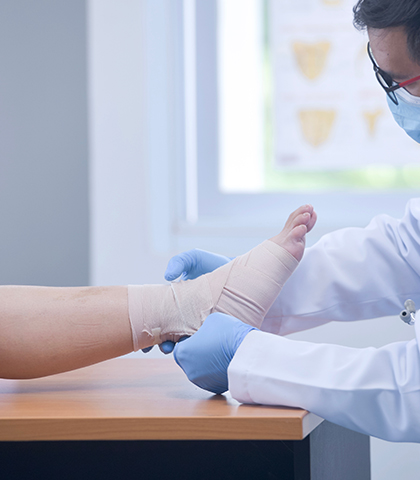
A chronic leg wound is one that fails to progress toward healing within four to six weeks despite basic wound care. These wounds are not simply slow to heal. They are being actively held back by something that is disrupting the body’s normal repair process, and that something must be identified and addressed before lasting healing is possible.
Before choosing a treatment, it helps to learn more about venous leg wounds and how it progresses.
Venous ulcers are the most common type of chronic leg wound, accounting for the majority of all leg ulcers seen in clinical practice. Many patients develop leg ulcers as a consequence of chronic venous insufficiency, the condition in which the valves inside the leg veins fail to function properly, allowing blood to flow backward and pool in the lower legs rather than returning to the heart.
A related option worth knowing about is CVI treatment options.
Over time, the elevated pressure from this pooling causes fluid, inflammatory proteins, and red blood cells to leak into the surrounding tissue. The skin is deprived of the oxygen and nutrients it needs to stay intact. It becomes fragile, inflamed, and eventually breaks down, forming an open sore that the body struggles to close because the underlying venous pressure driving the process has not been resolved.
Our team can help you understand accepted insurance plans before treatment begins.
Venous ulcers typically appear on the inner ankle or lower leg, have shallow, irregular edges, and are often surrounded by skin that is discolored, thickened, or weeping. They produce moderate to significant wound fluid and are frequently accompanied by leg swelling, aching, and a history of varicose veins or vein disease.
Arterial ulcers develop when narrowed or blocked arteries reduce blood flow to the lower leg and foot, starving the tissue of the oxygen it needs to survive. They tend to appear on the toes, the outer ankle, or the tops of the feet and typically have well-defined, punched-out borders with a pale or necrotic wound bed. The surrounding skin is often cool, hairless, and shiny. Arterial ulcers are intensely painful, particularly when the leg is elevated.
Diabetes creates multiple simultaneous obstacles to wound healing. Peripheral neuropathy reduces sensation in the feet, so minor injuries or pressure points go unnoticed until significant damage has occurred. Impaired immune function slows the body’s ability to fight wound infection, and poor peripheral circulation reduces the delivery of oxygen and nutrients to the healing tissue. Diabetic foot ulcers most often develop at pressure points on the sole of the foot and can progress rapidly without prompt care.
Pressure injuries form when sustained pressure on a bony area of the lower leg or foot restricts blood flow to the skin and underlying tissue. They are most common in people with limited mobility and worsen progressively if pressure is not relieved.

My experience was wonderful. The blonde lady at the front desk was so nice and friendly and so were the ladies who took me to the exam room and the one who did my ultrasound. The Dr was great. She explained everything to me thoroughly and was very compassionate. Will definitely send friends and family to that office.
The office was clean and very visually appealing. The staff were all courteous and professional. Each part of the exam was well described prior to it happening. The doctor listened intently and explained thoroughly. This was an enjoyable experience putting my anxiety at ease.
Great Clinic! So glad I went. My legs feel so much better! I can already see some of the benefits and will just get better over time! The doctors and staff are so kind and friendly. Such an easy location with lots of free parking. Highly recommend!!


This is the most important thing to understand about chronic leg wounds: surface treatment cannot heal a wound whose cause has not been addressed.
For venous ulcers, the obstacle is the elevated venous pressure saturating the surrounding tissue with oxygen-depleted, inflammation-rich fluid. A dressing can protect the wound bed and manage exudate, but it cannot reduce the venous pressure that is actively preventing the tissue from repairing itself. Without correcting the underlying venous reflux, even a wound that temporarily closes is likely to reopen.
For arterial ulcers, the obstacle is inadequate blood supply. No dressing can deliver the oxygen and nutrients that healing tissue requires. Circulation must be restored.
For diabetic wounds, the obstacles are often multiple and simultaneous, requiring a coordinated approach that addresses both the wound surface and the systemic factors impairing healing.
At Miller Vein, we treat the cause, not just the wound. Every patient receives a thorough evaluation before any treatment plan is developed, because getting the diagnosis right is the foundation of everything that follows.
Effective wound care begins with understanding exactly what is driving the wound. Our evaluation process is thorough and individualized, designed to give your care team the complete picture needed to build a treatment plan that actually works.
Your first appointment includes a detailed consultation covering your medical history, wound history, current symptoms, and relevant risk factors, including vein disease, diabetes, cardiovascular history, and prior clots. The wound itself is examined carefully, with attention to its location, size, depth, borders, wound bed appearance, exudate characteristics, and the condition of the surrounding tissue.
A duplex ultrasound of the venous system is performed for all patients with suspected venous involvement. This non-invasive, painless imaging test visualizes blood flow through the deep and superficial veins and blood vessels in real time, identifies venous reflux and its source, and provides the anatomical map needed to design a targeted vascular treatment plan.
An ankle-brachial index (ABI) test can also be used to screen for peripheral arterial disease. This non-invasive measurement compares blood pressure at the ankle to blood pressure in the arm and helps determine whether arterial compromise is contributing to the wound. The ABI result also guides compression therapy decisions, since compression requires adequate arterial circulation to be safe.
Based on these findings, your specialist reviews the results with you directly and explains the treatment approach before anything is initiated.
Healing a chronic wound takes time, and understanding what the process looks like helps patients stay engaged and motivated through it. These wounds did not form overnight, and they will not close overnight. But with the right care, progress is consistent and measurable.
In the early weeks, the priority is stabilizing the wound: managing fluid, reducing inflammation, and beginning to address the circulatory factors that have been preventing healing. You may not see dramatic changes right away, but the conditions for healing are being established.
As vein treatment takes effect and compression reduces tissue pressure, most patients notice a measurable progression: less fluid from the wound, inward movement of the wound edges, and the gradual development of healthy pink granulation tissue in the wound bed. This progress is the signal that the treatment plan is working.
Most venous ulcers receiving comprehensive care, including both vein treatment and wound management, close over a period of several weeks to several months, depending on their size, duration, and the patient’s overall health. Consistent compression compliance, attending follow-up appointments, and engaging actively with the care plan are the most important factors within the patient’s control.
Once the wound closes, prevention of recurrence becomes the focus. Long-term compression use, ongoing vein health monitoring, and regular follow-up are the tools that keep healed wounds closed.
Miller Vein provides expert leg wound evaluation and treatment at eight convenient locations throughout Michigan. We see patients at:
Our clinics are open Monday through Friday, 7:00 AM to 5:30 PM.
If you have a leg wound that has not responded to standard care, there is almost certainly an underlying reason, and finding it is the key to finally healing it. At Miller Vein, our specialists treat chronic leg wounds comprehensively, addressing both the wound and the circulation problem driving it, so you can heal faster, stay healed longer, and get back to living your life.
Schedule your leg wound consultation at Miller Vein today.







There is no shortage of clinics offering spider vein treatment in Michigan. Here is what genuinely sets VeinErase® and Miller Vein apart.
Contact Us
Our VeinErase® providers are not generalists fitting vein care into a busy schedule. They focus exclusively on treating spider veins, doing this work every single day. That level of specialization and repetition directly translates into sharper skills, better technique, and more consistent results for our patients.
We hear it from patients again and again: they are surprised by how welcome and cared for they feel at Miller Vein. Our team takes the time to listen, answer questions honestly, and make sure every patient feels comfortable and informed from the first appointment to the last.
We screen for underlying vein conditions at every appointment. Treating spider veins without identifying a deeper issue can lead to disappointing or short-lived results. Our approach ensures your treatment is not only effective but safe.
We will never promise you something we cannot deliver. What we commit to is honest guidance, realistic goals, and our genuine best effort to help you achieve meaningful, visible improvement.
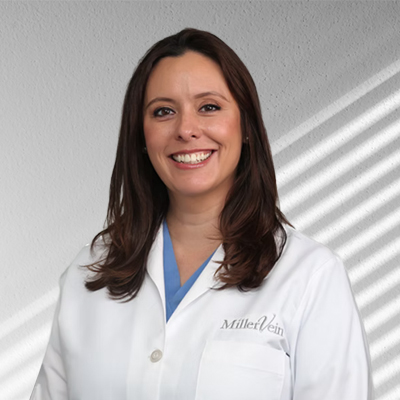
We’re proud to welcome Dr. Madeline Paquette, DNP, to our team as our newest leg wound care provider. Dr. Paquette brings exceptional clinical expertise,...
Read BlogIf you’re dealing with leg pain, swelling, varicose veins, or a wound that won’t heal, the last thing you should have to worry about...
Read BlogPrefer a call? Fill out the form below, and our team will reach out to help you coordinate your visit.
"*" indicates required fields
Save time by selecting your own appointment slot through our secure scheduling portal.
