










 Browse all of our latest insights and updates.
 Ready to Schedule?
Save time by selecting your own appointment slot through our secure scheduling portal.


For years, many women with lipedema are told the same thing: eat less, exercise more, and you will lose weight. But lipedema is not a weight problem. It is a distinct medical condition, and it will not respond to diet and exercise the way ordinary fat does. The frustration of being misunderstood, dismissed, or misdiagnosed is something many lipedema patients know all too well.
At Miller Vein, we take lipedema seriously. As the first and only vein clinic in Michigan to offer on-site Certified Lymphedema Therapy, our dedicated team is experienced in recognizing and managing lipedema with the specialized care it requires. If you have been struggling with unexplained pain, swelling, or disproportionate fat in your legs or arms that has not responded to lifestyle changes, we’re here for you.
Our specialists offer lipedema treatment options designed around your comfort and schedule.
Lipedema is a chronic, progressive condition characterized by the abnormal accumulation of fat in the legs and, less commonly, the arms. It occurs almost exclusively in women and is thought to be linked to hormonal factors, given that it most often appears or worsens at times of significant hormonal change, such as puberty, pregnancy, and menopause.
Unlike ordinary body fat, lipedema fat is structural and pathological. It accumulates in a symmetrical pattern, typically from the hips down to the ankles, and it does not redistribute or disappear with weight loss. The feet are usually unaffected, which creates a distinctive visual boundary at the ankle.
Lipedema is also painful. The fat tissue itself is tender to the touch, bruises easily, and can cause significant aching and discomfort in the affected areas. This pain is one of the most important distinguishing features of lipedema and helps differentiate it from simple obesity or general weight gain.
Despite how common it is, lipedema remains widely underdiagnosed. Many women spend years, sometimes decades, seeking answers before receiving an accurate diagnosis. Understanding the condition is the first step toward getting the right help.
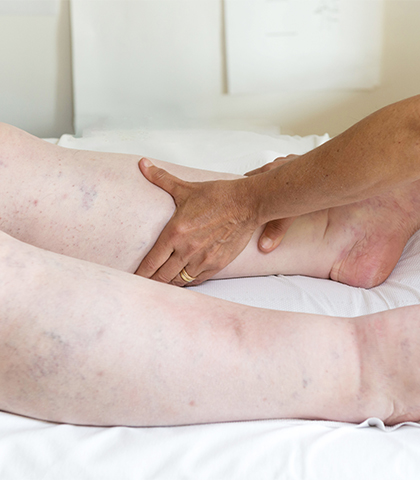
Lipedema presents with a consistent cluster of signs and symptoms that distinguish it from other conditions involving the legs. Recognizing these features is the key to getting an accurate diagnosis.
For a closer look at this topic, our article on lipedema and the keto diet is a helpful read.
Pain is one of the hallmarks of lipedema and a key feature that distinguishes it from ordinary obesity:
Depending on your evaluation, options like CDT program may also play a role in your care plan.
The physical symptoms of lipedema are compounded by the emotional toll of living with a condition that is frequently misunderstood. Many women with lipedema experience:
Acknowledging the emotional dimension of lipedema is part of delivering truly compassionate care.

The staff is so friendly. They explain well before they do anything. Dr Miller is awesome. Explains treatment and plan of care in detail. Answers all questions thoroughly. Had a very good consultation.
Highly recommend.
What a wonderful experience. So friendly took great care of me explained what they were doing and the outcome. Resp, Annie and Mattie made my day.
The office was clean and very visually appealing. The staff were all courteous and professional. Each part of the exam was well described prior to it happening. The doctor listened intently and explained thoroughly. This was an enjoyable experience putting my anxiety at ease.
Great Clinic! So glad I went. My legs feel so much better! I can already see some of the benefits and will just get better over time! The doctors and staff are so kind and friendly. Such an easy location with lots of free parking. Highly recommend!!


Lipedema is a progressive condition, and clinicians use a staging system to describe its severity. Understanding where a patient falls within this spectrum guides treatment planning.
Earlier intervention is always preferable. Patients who receive appropriate care in the earlier stages generally experience better outcomes and slower progression than those whose condition advances before treatment begins.
The exact cause of lipedema is not yet fully understood, but research points to a combination of genetic, hormonal, and structural factors.
Contact Us
Lipedema occurs almost exclusively in women and consistently appears or worsens at times of significant hormonal change, including puberty, pregnancy, and perimenopause or menopause. This pattern strongly implicates hormonal factors, particularly estrogen, in the development and progression of the condition. The use of hormonal contraceptives or hormone replacement therapy may also influence lipedema in some individuals.
Lipedema runs in families. A significant proportion of people with lipedema have a mother, sister, or other close female relative with the condition. This hereditary pattern suggests a genetic component, though the specific genes involved are still being studied.
Lipedema fat behaves differently from normal adipose tissue at a cellular and structural level. The fat cells in lipedema tissue are abnormally enlarged, the surrounding tissue contains an increased number of inflammatory cells, and the small blood vessels in the area are more fragile and prone to leaking, which explains the easy bruising characteristic of the condition. These structural differences mean that lipedema fat cannot be lost through caloric restriction the way normal fat can.
Chronic venous insufficiency (CVI) is frequently found alongside lipedema. When the leg veins cannot efficiently return blood to the heart, the resulting increase in venous pressure can worsen swelling and accelerate the progression from lipedema to lipolymphedema. For this reason, evaluating and treating underlying vein disease is an important part of comprehensive lipedema care at Miller Vein.
Lipedema is a clinical diagnosis, meaning it is primarily based on physical examination and patient history rather than a single definitive test. This is part of why it is so frequently missed: there is no blood test or imaging study that confirms it outright, and many providers are not trained to recognize it.
A thorough evaluation includes a detailed medical and family history, paying particular attention to when the disproportionate fat distribution first appeared and whether it has worsened during hormonal transitions. Physical examination assesses the distribution and texture of the fat tissue, looks for the ankle cut-off sign, evaluates tenderness and bruising patterns, and checks for signs of lymphedema or venous disease.
Ultrasound may be used to assess for chronic venous insufficiency, which is commonly associated with lipedema and, if present, warrants treatment alongside lipedema management. Limb measurements can help document the extent of disproportionality and track changes over time.
At Miller Vein, our evaluation integrates vascular assessment with the clinical expertise of our Certified Lymphedema Therapists, who are trained to recognize the specific features of lipedema and distinguish it from lymphedema, obesity, and other conditions. Getting the diagnosis right is the foundation of effective care.







Doja Cat said she might have lipedema? That’s right. The Grammy-winning artist recently came forward and shared that she may be struggling with the...
Read BlogLipedema is a chronic condition that causes an abnormal buildup of fat, primarily in the legs and arms. This can lead to pain, swelling,...
Read BlogPrefer a call? Fill out the form below, and our team will reach out to help you coordinate your visit.
"*" indicates required fields
Save time by selecting your own appointment slot through our secure scheduling portal.