




 Browse all of our latest insights and updates.
 Ready to Schedule?
Save time by selecting your own appointment slot through our secure scheduling portal.


If your legs feel heavy and tired by midday, or you have noticed raised, twisted veins running along your calves or thighs, you may be dealing with varicose veins. This is one of the most common vascular conditions in adults, affecting millions of people across the country, including right here in Michigan.
The good news is that varicose veins are well understood, and modern treatment is safe, quick, and entirely non-surgical. At Miller Vein, our board-certified specialists provide compassionate, in-office care designed to help you feel better as quickly as possible. Whether you are looking to understand what is happening with your legs or ready to explore your options, let’s take a look at everything you need to know.
Our specialists offer minimally invasive varicose vein treatment designed around your comfort and schedule.
Varicose veins are enlarged veins that become visible beneath the skin, most commonly on the legs and feet. They typically appear blue, green, or dark purple and may bulge noticeably above the skin’s surface. In some cases, they cause significant physical discomfort. In others, they are primarily a cosmetic concern and just superficial veins, though they often worsen over time if left untreated.
To understand why varicose veins develop, it helps to know a little about how veins work. The veins in your legs have a challenging job: they must push blood upward against gravity, from your feet all the way back to your heart. They accomplish this with the help of one-way valves that open to let blood flow upward and then close to prevent it from falling back down.
When those valves weaken or fail, blood can flow backward and pool in the vein. Over time, this pooling increases pressure within the vessel, causing it to stretch, enlarge, and eventually become the twisted, bulging vein visible at the surface. This process is known as venous reflux or venous insufficiency, and it is the underlying cause of most varicose veins.
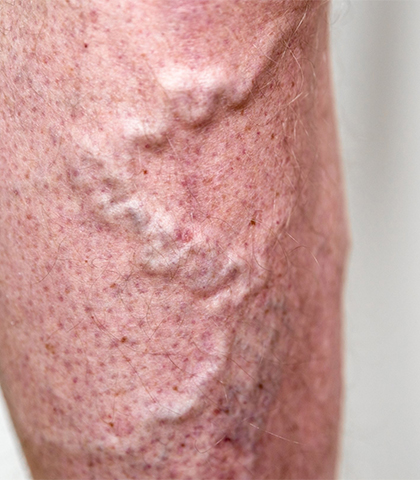
Varicose veins develop when the valves inside the leg veins weaken or stop functioning properly. Several factors can accelerate this process or increase your overall risk.
See why varicose veins form in our full guide.
Family history is one of the most reliable predictors of varicose veins. If a parent or close relative had them, your likelihood of developing them is significantly higher. The structural integrity of your vein walls and valves is largely inherited, which is why varicose veins often appear in multiple generations of the same family.
Many patients also benefit from endovenous laser ablation as part of a complete treatment plan.
As we age, the veins and their valves naturally lose some elasticity and strength. The cumulative effects of years of gravity, physical strain, and wear on the vein walls make varicose veins increasingly common from the 40s onward. That said, younger adults are far from immune, particularly those with strong genetic risk factors or other contributing conditions.
Varicose veins are more prevalent in women than in men, largely due to the effects of hormones on vein tissue. Estrogen and progesterone can relax vein walls and weaken valves, making them more susceptible to reflux. Hormonal fluctuations during pregnancy, the menstrual cycle, and menopause, as well as the use of birth control or hormone replacement therapy, are all associated with increased risk.
Pregnancy significantly increases the likelihood of developing varicose veins. Blood volume rises substantially during pregnancy to support the growing baby, which increases pressure throughout the venous system. The expanding uterus also places direct pressure on the large veins in the pelvis, further impeding blood flow returning from the legs. Many women notice varicose veins appearing or worsening with each subsequent pregnancy.
Occupations or habits that involve long stretches of standing or sitting put sustained pressure on the leg veins and make it harder for blood to circulate efficiently. Teachers, nurses, retail workers, and others who spend most of their day on their feet are at elevated risk, as are people with sedentary desk jobs who rarely move throughout the day.
Carrying excess body weight places increased pressure on the veins of the pelvis and legs, accelerating the deterioration of vein valves over time. Even modest weight reduction can meaningfully reduce this pressure and slow the progression of the condition.
A history of injury, trauma, or surgery to the leg can damage the veins or their valves directly, increasing the risk of venous reflux and varicose vein development at the site of previous injury.

My experience was wonderful. The blonde lady at the front desk was so nice and friendly and so were the ladies who took me to the exam room and the one who did my ultrasound. The Dr was great. She explained everything to me thoroughly and was very compassionate. Will definitely send friends and family to that office.
My experience was amazing. I got there a little bit early, I was taken right back. Everybody was very nice, explained everything to me as they went. I would recommend Miller Vein to anybody; they are fantastic.
Great visit to Miller Vein on 3/11. Very thorough explanation and the most wonderful tech in the world did my scans. She answered all my questions and concerns. Results of scans were provided in minutes. Would definitely return if I had a need and will refer my friends if they have a need.
Every one I encountered at this office was very friendly. The ultrasound tech and Dr. Toma were very knowledgeable. It was a great experience. I’m happy and confident to be getting my veins treated here.
Very friendly staff and very thorough. They explained everything as they went through the different steps during the appointment. I felt very at ease here. I am very happy I chose them.


Varicose veins present differently from person to person. Some people experience significant physical symptoms that interfere with daily life, while others are mainly bothered by how their legs look. In either case, the condition is worth evaluating, particularly because symptoms tend to worsen over time without treatment.
The most commonly reported physical symptoms of varicose veins include:
Symptoms are often worse in warm weather and tend to improve with leg elevation or walking, since movement activates the calf muscles that help pump blood upward through the veins.
In more advanced cases, the chronic pressure and poor circulation associated with untreated varicose veins can cause visible changes to the surrounding skin and soft tissue, including:
These skin changes are signs that the condition has progressed to a stage requiring medical attention beyond cosmetic treatment. If you are experiencing any of them, a prompt evaluation is important.
Most varicose veins are not an immediate medical emergency, but there are situations that require urgent care:
If you experience any of these symptoms, seek medical attention right away.
This is one of the most common questions people ask when they first learn they have varicose veins. The honest answer is that it depends on the severity and the individual.
For many people, varicose veins are a chronic but manageable condition that primarily affects quality of life rather than posing an immediate health threat. However, untreated varicose veins can progress over time, and in more advanced cases with severe varicose veins, they can lead to serious complications, including venous ulcers, bleeding, and superficial blood clots.
It is also important to understand that varicose veins and deep vein thrombosis (DVT) are different conditions. Varicose veins occur in the superficial venous system, while DVT involves the deep veins. That said, people with significant varicose veins and venous insufficiency can have a modestly elevated risk of DVT in some circumstances, which is another reason that getting properly evaluated matters.
The bottom line: varicose veins should not be ignored. Even if your symptoms feel manageable right now, the condition is typically progressive. Earlier treatment tends to produce better outcomes and can prevent more serious complications down the road.
Diagnosing varicose veins starts with a physical examination and a detailed discussion of your symptoms and medical history. However, the most important diagnostic tool is a duplex ultrasound, a non-invasive imaging test that uses sound waves to visualize blood flow through the veins in real time.
A duplex ultrasound allows our specialists to see not just the varicose veins that are visible at the surface, but the deeper venous anatomy beneath them. It reveals whether the vein valves are functioning properly, identifies the source of any reflux, maps the full extent of the problem, and guides the treatment plan.
Varicose veins cannot always be prevented, especially when genetics is a significant factor. However, certain lifestyle habits can reduce your risk and slow the progression of the condition if it does develop.
Varicose veins are not something you have to just live with. Today’s treatments are safe, effective, and designed around your schedule and your comfort. At Miller Vein, our board-certified specialists are here to help you understand your condition, explore your options, and move forward with confidence.
Schedule your varicose vein consultation at Miller Vein today. We serve a wide range of communities in Michigan, including Auburn Hills, Dearborn, Grand Rapids, Holland, Macomb, Novi, St. Clair Shores, and Troy.
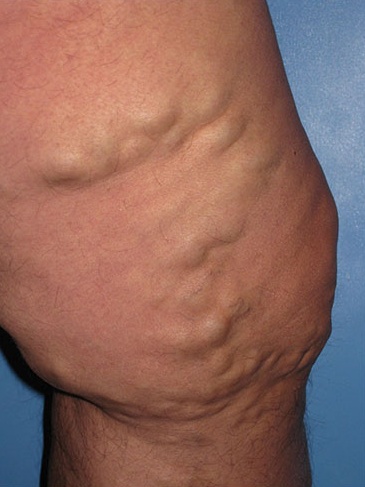
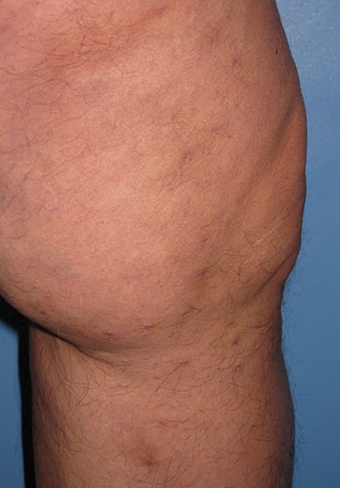






Well, the short answer is they can be. How Can Varicose Veins Can Be Dangerous? Left untreated, varicose veins can eventually cause significant swelling...
Read BlogEvery day we see patients with varicose veins, and these same individuals are often suffering from osteoarthritis (degenerative joint disease). This should come as...
Read BlogPrefer a call? Fill out the form below, and our team will reach out to help you coordinate your visit.
"*" indicates required fields
Save time by selecting your own appointment slot through our secure scheduling portal.
