Ready to Schedule?
Save time by selecting your own appointment slot through our secure scheduling portal.


Medically reviewed by The Miller Vein Team
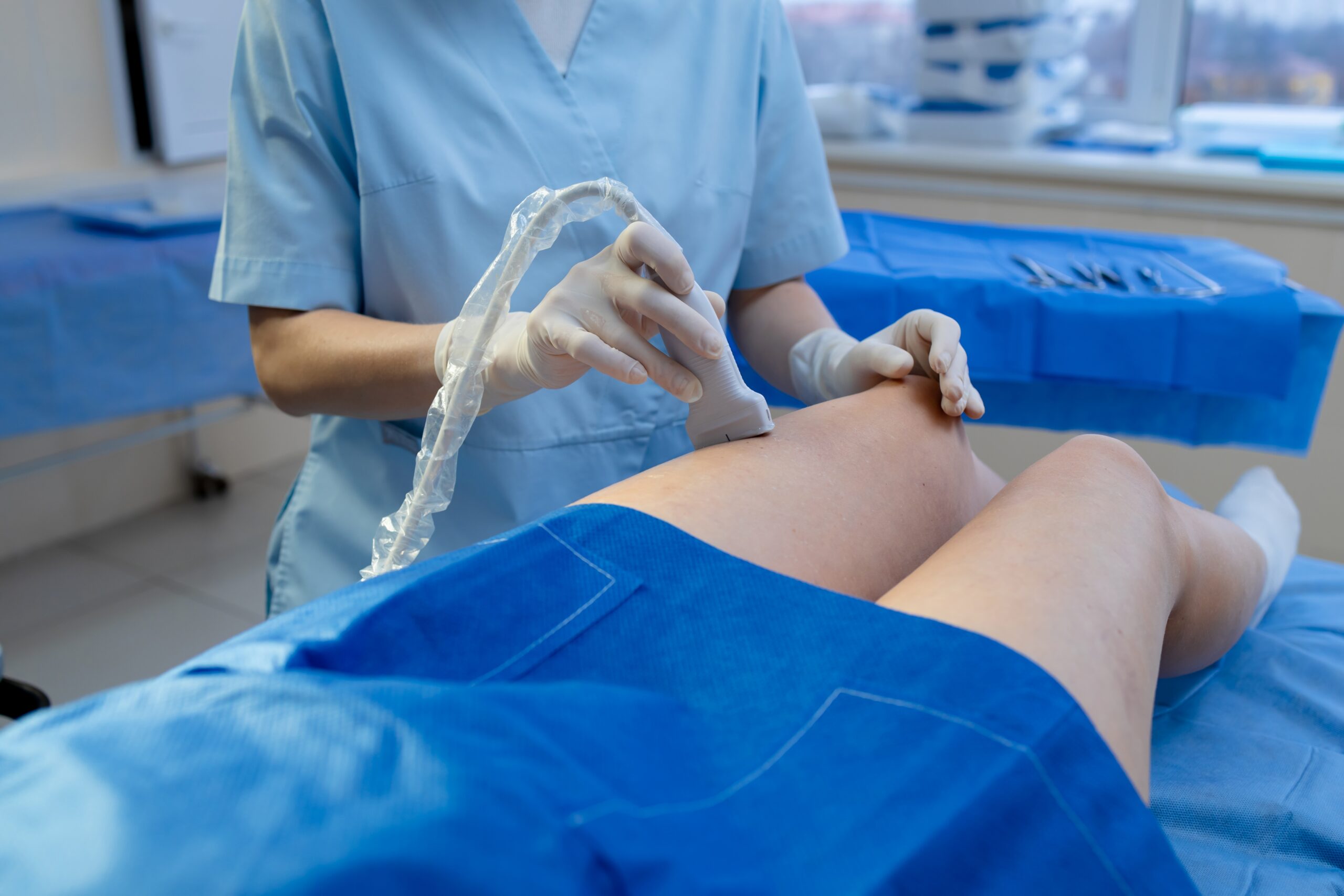
When leg veins start to bother you, figuring out who to see can be surprisingly confusing. A search for help might turn up vein clinics, vascular surgeons, and dermatology offices, all of which say they treat veins. Each of these specialists brings different training and a different focus, but one difference matters more than most patients realize: how much of a physician’s work is devoted to veins. This guide explains why experience makes such a difference, what each type of specialist does, which leg vein problems each is best suited for, and how to decide where to start. If you are near Farmington Hills or anywhere in Southeast Michigan and want an evaluation, call Miller Vein at (877) 432-2184.
Credentials are only part of the picture. Vein specialists diagnose, treat, and manage venous and lymphatic patients every day. For many other physicians, vein treatment is one small part of a much broader practice. That difference adds up quickly: a physician in a dedicated vein practice may perform more than 1,000 vein procedures a year, while a physician who treats veins only occasionally may perform 10 to 50.
Experience makes a real difference. A physician who reviews leg vein ultrasounds every day is better prepared to find the true source of reflux, including the less obvious problems that cause veins to come back after treatment. High-volume physicians have seen the full range of vein anatomy, know which procedure fits which patient, and know when treatment isn’t needed at all. Their teams, from ultrasound technologists to wound care staff, work with vein patients every day too.
When you compare providers, it’s fair to ask: Is vein and lymphatic care your full-time focus? How many vein procedures do you perform each year? Who performs and reviews my ultrasound?
“Vein doctor” is a common term for a physician who focuses on diagnosing and treating diseases of the veins, especially in the legs. The formal field is called venous and lymphatic medicine, sometimes called phlebology. Vein specialists come from several medical backgrounds, most often interventional radiology, vascular or general surgery, internal medicine, cardiology, or emergency medicine, and then build focused training and experience in venous disease. Some earn certification from the American Board of Venous and Lymphatic Medicine.
Vein specialists typically treat varicose veins, spider veins, chronic venous insufficiency (CVI), venous leg ulcers, and leg swelling related to vein disease. Their core diagnostic tool is the duplex ultrasound, which shows how blood flows through the leg veins and whether the valves are leaking (venous reflux). Most of their treatments are minimally invasive office procedures, such as radiofrequency or laser ablation, VenaSeal, microphlebectomy, and sclerotherapy.
A vascular surgeon is a surgeon who has completed specialized training in diseases of the entire circulatory system outside the heart and brain, including both arteries and veins. Vascular surgeons manage conditions such as peripheral artery disease, aortic aneurysms, carotid artery disease, and complex blood clot problems, and they perform both open surgery and catheter-based procedures. Many vascular surgeons also treat varicose veins and venous insufficiency with the same minimally invasive procedures vein specialists use.
A vascular surgeon is the right choice when a problem involves the arteries, such as leg pain when walking caused by poor arterial circulation, a non-healing wound with weak or absent pulses in the foot, or a condition that may require open surgery. For many patients with common varicose vein and venous insufficiency symptoms, a dedicated vein practice offers the same diagnostic standard with a narrower, deeper focus on veins.
A dermatologist is a physician who specializes in the skin, hair, and nails. Many dermatologists treat spider veins on the legs and face with sclerotherapy or laser and light-based devices, and they are an excellent choice for skin conditions such as eczema, rashes, skin cancer screening, and other cosmetic skin concerns.
Dermatology practices typically do not perform duplex ultrasound of the leg veins or treat the larger, deeper veins responsible for venous insufficiency. That matters because spider veins are sometimes fed by underlying reflux. If that reflux is not identified and addressed, spider veins may return quickly or respond poorly to treatment.
| Vein Specialist | Vascular Surgeon | Dermatologist | |
|---|---|---|---|
| Primary focus | Veins of the legs and the lymphatic system | Arteries and veins throughout the body | Skin, hair, and nails |
| Common leg vein conditions treated | Varicose veins, spider veins, CVI, venous ulcers, vein-related swelling | Arterial disease, aneurysms, complex clots, and venous disease | Spider veins and small surface veins |
| Duplex ultrasound of leg veins | Standard part of evaluation | Commonly used | Not typically performed |
| Typical setting | In-office, minimally invasive procedures | Hospital, surgery center, or office | Office |
| Vein care in daily practice | Full-time focus, every day | Varies; often one part of a broader practice | Occasional, mostly spider veins |
The best place to start depends on your symptoms:
If you have sudden swelling, pain, redness, or warmth in one leg, seek prompt medical attention, as these can be signs of deep vein thrombosis (DVT). Learn more about DVT checks at Miller Vein. Sudden shortness of breath or chest pain is an emergency, so call 911.
Miller Vein’s providers bring together several of these backgrounds under one roof, all focused on vein and lymphatic care. The team includes Jeffrey H. Miller, MD, Michael E. Lulenski, MD, and Steven K. Wang, MD, interventional radiologists who are board certified by the American Board of Radiology with added qualification in vascular and interventional radiology, and who are Diplomates of the American Board of Venous and Lymphatic Medicine. Krista M. Bannon, MD, is a board-certified general surgeon with expertise in venous and lymphatic medicine. Nora Toma, DO, Rana Burek, DO, and Jennifer Malicke, DO, are board-certified emergency medicine physicians who specialize in venous and lymphatic medicine. Madeline Paquette, DNP, is a board-certified nurse practitioner and advanced practice wound care specialist, and Robin Doak, OTR/L, CLT, is a Certified Lymphedema Therapist in Miller Vein’s on-site lymphedema therapy program. Meet the full team on our providers page.
Every medical patient at Miller Vein receives a duplex ultrasound during the consultation, and the results are reviewed with you at the same visit. Treatment options include radiofrequency ablation with ClosureFast, laser ablation, VenaSeal, Varithena®, microphlebectomy, and sclerotherapy. Procedures are non-surgical, performed in the office under local anesthesia, and most patients return to their normal activities the same day. Spider veins are treated through VeinErase®, our sclerotherapy program, with screening for underlying vein disease at every visit.
Miller Vein is Michigan’s largest independent, physician-owned vein practice, with over 20 years of experience and a simple promise: diagnosis before treatment, and treatment only when appropriate. Patients near Farmington Hills can visit our Novi clinic, the closest location, or our Troy and Dearborn clinics, among eight locations across Michigan. The practice has earned over 3,000 five-star Google reviews, is trusted by more than 3,500 referring physicians, and has been recognized by Crain’s Detroit Business as one of the Best Places to Work. See our awards and recognition and read patient testimonials.
Not exactly. A vascular surgeon is trained in surgery of both arteries and veins throughout the body. A vein doctor focuses specifically on venous disease and may come from vascular surgery, interventional radiology, or another specialty. Both may treat varicose veins with similar minimally invasive procedures, but vein specialists concentrate their practice on vein conditions.
Dermatologists commonly treat spider veins and small surface veins, but most do not perform the duplex ultrasound or ablation procedures used to diagnose and treat varicose veins and venous insufficiency. Bulging varicose veins and symptoms like aching, swelling, or heaviness are usually best evaluated by a vein specialist.
Yes. As with most procedures, experience matters. Physicians who focus on vein care full time often perform more than 1,000 vein procedures a year, compared with a few dozen for physicians who treat veins only occasionally. That volume builds skill in ultrasound diagnosis, in choosing the right treatment, and in avoiding complications. It’s reasonable to ask any provider how many vein procedures they perform each year.
Many patients can schedule directly, but some insurance plans require a referral from a primary care provider. Check your plan or call our team, and we will help you understand what is needed before your visit.
Treatment for medical vein conditions such as varicose veins, chronic venous insufficiency, and venous ulcers is often covered when your plan’s medical-necessity criteria are met. Spider vein treatment is cosmetic and not typically covered. Miller Vein accepts over 700 insurance plans. Learn more about insurance and CareCredit.
Bring your insurance card, a photo ID, a list of your medications, and any notes about your symptoms, including when they started and what makes them better or worse. If you have worn compression stockings, let your specialist know how long and how often.
Our Novi clinic at 25500 Meadowbrook Rd., Suite 215, is the closest to Farmington Hills. Our Troy and Dearborn clinics are also convenient for many Oakland and Wayne County patients. View all locations.
If you are unsure whether your leg veins need a vein specialist, a vascular surgeon, or a dermatologist, a thorough evaluation is the best first step. Miller Vein’s specialists will tell you what is going on, explain your options honestly, and let you know if another type of specialist would be a better fit. Call (877) 432-2184 or contact us online to schedule your consultation.
Prefer a call? Fill out the form below, and our team will reach out to help you coordinate your visit.
"*" indicates required fields
Save time by selecting your own appointment slot through our secure scheduling portal.
