Contact Us

Landing Page Serving Grand Rapids, Holland, Grandville, Wyoming, Kentwood, and beyond.

Schedule Your Consultation Have Us call you

Ask us about our VeinErase® loyalty program

Enjoy discounts — or get your treatment completely FREE

Learn More img

What Are Spider Veins?

Spider veins are visible tiny blood vessels (different from varicose veins) that sit just beneath the skin’s surface. They typically form web-like or branching patterns and measure 1mm or less in diameter but larger spider veins are possible too. They can appear in shades of red, blue, or purple and show up most often on the legs, though they are also common on the face.

These veins develop when small blood vessels weaken or dilate due to increased pressure. Several factors can contribute to their formation, including genetics, hormonal changes, prolonged standing or sitting, sun exposure, and age. Pregnancy is another common trigger, as rising blood volume and hormonal shifts put extra pressure on the veins throughout the body.

Spider veins are generally harmless, but they can cause physical discomfort for some people and may sometimes point to a deeper vein condition that deserves attention.
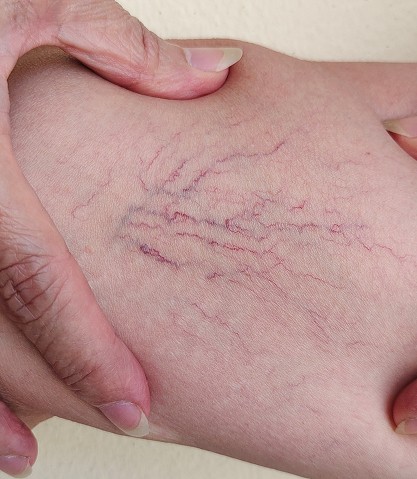
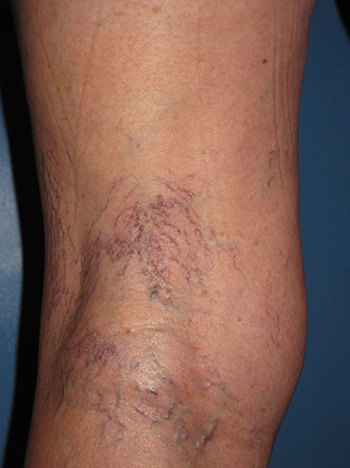
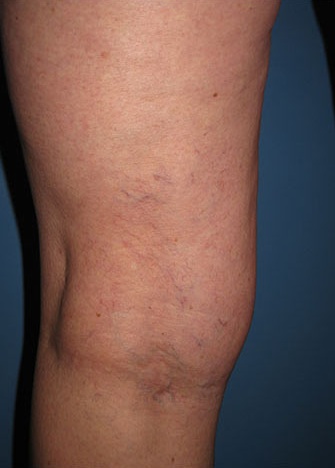
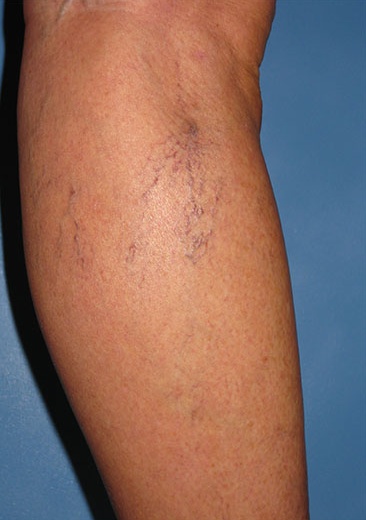
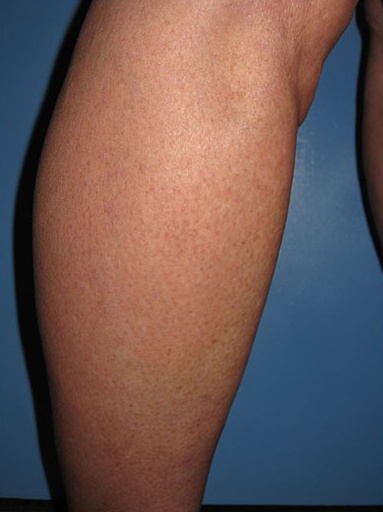
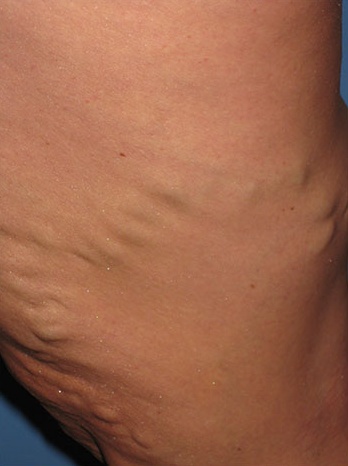
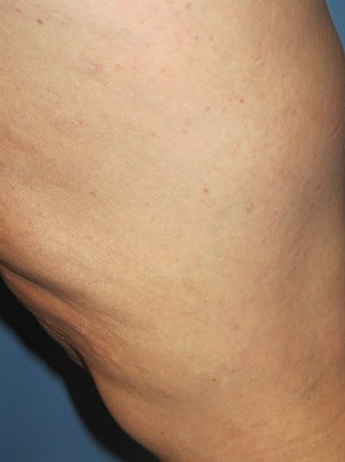
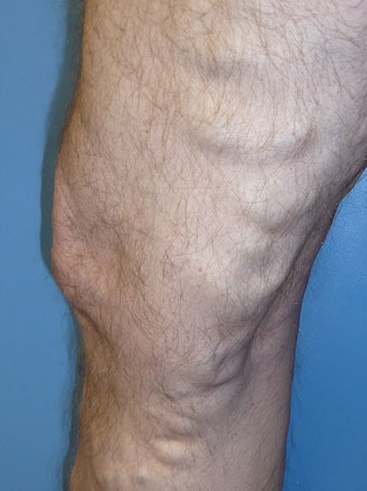
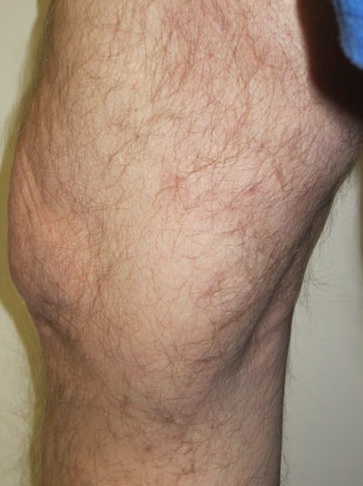
Fifty Fifty Inject Image

No Tricks. No Photoshop. Real Results.

view full gallery

before

Spider Vein Case 104 Before image

After

Spider Vein Case 104 After image

before

Spider Vein Case 105 Before image

After

Spider Vein Case 105 After image

before

Varicose Vein Case 109 Before image

After

Varicose Vein Case 109 After image

before

Varicose Vein Case 108 Before image

After

Varicose Vein Case 108 After image
prev
next

Patient Stories to
Legs Like New®

Star img
Star img

I was extremely happy with my results. I was treated with Sclerotherapy. Before and after pictures are incredible! I was very self-conscious about how my legs looked and always wore long capris in the summer to cover them. I wish I had done this sooner. The staff was very professional, friendly, and knowledgeable. They made me feel very comfortable.

— Diane D.
Star img
Star img

The front desk personnel were very professional and welcoming. I was seen by one of the most welcoming and patient ultrasound technicians. She was very pleasant and informative. She explained every step and made me feel comfortable throughout the exam. The doctor is the reason the office is so calm and welcoming. The doctor was informative as she explained the diagnosis and plan of care needed. I would definitely refer someone in need of their services.

— Brenda F.
Star img
Star img

Very friendly staff and very thorough. They explained everything as they went through the different steps during the appointment. I felt very at ease here. I am very happy I chose them.

— Angela H.
Star img
Star img

The staff is so friendly. They explain well before they do anything. Dr Miller is awesome. Explains treatment and plan of care in detail. Answers all questions thoroughly. Had a very good consultation.
Highly recommend.

— Barb F.
prev
next

Our Spider Vein
Treatment Options

At Miller Vein, we have clinically proven methods for treating spider veins. Your specialist will recommend the most appropriate approach based on the type, size, and location of your veins.

Sclerotherapy Treatment

Sclerotherapy is the most widely used and well-established treatment for spider veins. It is the foundation of our VeinErase® method. During sclerotherapy, a specialist gently injects Asclera (polidocanol), an FDA-approved medication, directly into the targeted veins. The medication causes the vein walls to close and seal shut, and over the following weeks, the treated veins gradually fade from view.

Patients consistently appreciate several things about sclerotherapy:

  • No downtime: you can return to normal activities immediately after treatment
  • Efficient appointments: most sessions are completed in under 30 minutes
  • Precise and effective: medication is delivered directly to the problem area
  • Comfortable: most patients find sclerotherapy significantly more tolerable than laser treatments

VeinGogh For Facial Spider Veins

VeinGogh is a specialized treatment for facial spider veins that uses microburst technology to target and eliminate small, superficial veins on the face. This treatment is particularly effective for veins around the nose, cheeks, and chin.

The procedure is quick, minimally invasive, and requires no downtime, making it an excellent option for patients looking to address facial spider veins with minimal disruption to their daily routine.

St. Clair Shores Vein Specialist

Dr. Michael E. Lulenski leads our St. Clair Shores team. As a board-certified vein specialist, he creates individualized treatment plans built around your symptoms, your schedule, and your health goals — so you get the right care, not just any care.

Schedule Your Consultation

Why Choose Miller Vein for Spider Vein Treatment?

There is no shortage of clinics offering spider vein treatment in Michigan. Here is what genuinely sets VeinErase® and Miller Vein apart.

Contact Us
Wright Arrow

Specialists Who Focus Exclusively on Spider Veins

Our VeinErase® providers are not generalists fitting vein care into a busy schedule. They focus exclusively on treating spider veins, doing this work every single day. That level of specialization and repetition directly translates into sharper skills, better technique, and more consistent results for our patients.

Wright Arrow

Compassionate, Patient-Centered Care

We hear it from patients again and again: they are surprised by how welcome and cared for they feel at Miller Vein. Our team takes the time to listen, answer questions honestly, and make sure every patient feels comfortable and informed from the first appointment to the last.

Wright Arrow

Safety is Priority at Every Visit

We screen for underlying vein conditions at every appointment. Treating spider veins without identifying a deeper issue can lead to disappointing or short-lived results. Our approach ensures your treatment is not only effective but safe.

Wright Arrow

Honest Expectations

We will never promise you something we cannot deliver. What we commit to is honest guidance, realistic goals, and our genuine best effort to help you achieve meaningful, visible improvement.

Spider Vein Treatment FAQs

How many VeinErase® treatments will I need?

The number of sessions varies depending on the extent of your spider veins and how your body responds to treatment. Most patients achieve their best results after multiple visits. Your specialist will give you a personalized estimate during your initial evaluation.

Does sclerotherapy hurt?

Most patients are surprised by how comfortable the treatment is, while others experience mild, temporary discomfort during certain parts of the procedure. The needles used are very fine, and our team works carefully to keep you comfortable throughout the procedure.

Can spider veins come back after treatment?

Treated veins typically do not return, though new spider veins can develop over time, especially in people with genetic or hormonal risk factors. Staying active, maintaining a healthy weight, and using compression during prolonged sitting or standing may help support healthy circulation and reduce the risk of developing additional veins.

Are spider veins a sign of a more serious condition?

Spider veins are often a cosmetic concern, but in some cases, they may be a sign of underlying vein condition like venous reflux disease or chronic venous insufficiency. This is especially true when they appear as a dense cluster around the ankle or foot, or when they are accompanied by symptoms such as leg heaviness, aching, swelling, throbbing, itching, or fatigue. Our team will screen you for underlying conditions at every visit, rather than simply treating what is visible on the surface.

Is VeinGogh treatment painful?

VeinGogh involves minimal discomfort. The probe is extremely fine, and the microburst technology works in precise, controlled pulses. The vast majority of patients tolerate it well.

Is varicose vein treatment a surgical procedure?

Most varicose vein treatments today are minimally invasive, meaning they're performed through a tiny needle puncture rather than an open surgical incision.

How long does it take to recover from varicose vein treatment?

Most patients return to normal daily activities within a day or two after treatment, with full recovery generally complete within one to two weeks. Walking is encouraged shortly after the procedure to support healthy circulation.

Will I need more than one treatment session for varicose veins?

Many people see significant improvement after a single session, though larger or more extensive varicose veins sometimes require follow up treatments like sclerotherapy for smaller branch veins. Your provider will outline an expected treatment timeline during your consultation.

Can varicose veins come back after treatment?

The specific vein that's treated will not return, but new varicose veins can develop over time in other areas due to ongoing risk factors like genetics, pregnancy, or prolonged standing. Regular checkups can help catch and manage new veins early.

How is deep vein thrombosis treated?

DVT is primarily treated with anticoagulant medications, commonly known as blood thinners, which prevent the clot from growing and reduce the risk of new clots forming. In more severe cases, clot dissolving medications or mechanical clot removal procedures may be used.

How long do you have to be on blood thinners for DVT?

Treatment duration varies based on the cause of the clot, but most people take blood thinners for three to six months. Some patients with recurring clots or ongoing risk factors may need longer term or indefinite treatment.

Can deep vein thrombosis be treated without medication?

Compression stockings and leg elevation are often used alongside medication to reduce swelling and support circulation, but medication is typically necessary to treat the clot itself. In select cases, a filter may be placed in a large vein to prevent clot fragments from traveling to the lungs.

What is a thrombectomy and when is it used for DVT?

A thrombectomy is a procedure that mechanically removes a blood clot from the vein, typically reserved for large or severe clots that pose a high risk of complications. It's usually considered when medication alone isn't sufficient or fast enough to resolve the clot.

What happens if DVT is left untreated?

Untreated DVT can lead to a pulmonary embolism, a potentially life threatening condition where part of the clot travels to the lungs. It can also cause long term damage to the vein, resulting in chronic swelling and pain known as post thrombotic syndrome.

What is the main treatment for lymphedema?

The gold standard treatment is complete decongestive therapy, a combination approach that includes manual lymphatic drainage massage, compression bandaging, exercise, and skin care. This multi step method helps reduce swelling and manage the condition long term.

Can lymphedema be treated with compression garments alone?

Compression garments play an important ongoing role in managing lymphedema, but they're typically most effective when combined with manual lymphatic drainage and other decongestive therapies. Garments alone are usually better suited for maintenance after swelling has been reduced.

Is there a surgical treatment for lymphedema?

Yes, surgical options like lymphaticovenous anastomosis or vascularized lymph node transfer can help some patients, particularly those who haven't responded well to conservative therapy. These procedures aim to improve lymphatic drainage rather than cure the condition entirely.

How often do I need lymphedema treatment?

Initial treatment often involves frequent sessions, sometimes several times a week, to reduce swelling as much as possible. Once swelling is under control, most patients shift to a self care maintenance routine with periodic follow up visits.

Can exercise help with lymphedema?

Yes, gentle, consistent exercise helps stimulate lymphatic flow and can reduce swelling when done properly, often while wearing compression. A lymphedema specialist can recommend safe, condition specific exercises tailored to your needs.

What is the most effective treatment for lipedema?

There's no single cure for lipedema, so treatment usually combines compression therapy, manual lymphatic drainage, and an anti inflammatory lifestyle to manage symptoms. In more advanced or persistent cases, specialized liposuction techniques designed for lipedema may be recommended.

Does diet or exercise help treat lipedema?

While diet and exercise won't eliminate lipedema fat, an anti inflammatory diet and low impact activities like swimming or cycling can reduce inflammation, support mobility, and help manage associated swelling. These lifestyle changes work best alongside other targeted therapies.

Is liposuction an effective treatment for lipedema?

Specialized lipedema reduction surgery, often called tumescent or water assisted liposuction, can significantly reduce affected tissue and improve mobility and pain for many patients. It's typically considered after conservative treatments haven't provided sufficient relief.

Can compression therapy help with lipedema symptoms?

Yes, properly fitted compression garments help reduce swelling, support the tissue, and can ease pain and heaviness associated with lipedema. Many patients wear compression daily as part of their long term management plan.

How often should lipedema be treated or monitored?

Because lipedema tends to progress over time, especially during hormonal shifts, ongoing monitoring with a specialist is important even when symptoms are stable. Treatment plans are often adjusted periodically based on symptom changes and disease progression.

What is the best treatment for chronic venous insufficiency?

Treatment depends on severity, ranging from compression stockings and lifestyle changes for mild cases to minimally invasive procedures like endovenous ablation for more advanced valve failure. A duplex ultrasound helps determine which approach is most appropriate.

Can chronic venous insufficiency be treated without surgery?

Yes, many cases of CVI are effectively managed with non surgical approaches like compression therapy, leg elevation, and regular exercise, especially in earlier stages. More advanced cases often benefit from minimally invasive vein procedures rather than traditional surgery.

How long does treatment for CVI take to show results?

Symptom relief from compression and lifestyle changes can begin within days to weeks, while procedural treatments like ablation often show significant improvement within a few weeks as the treated vein closes and reroutes blood flow. Full benefits typically continue to improve over the following months.

Do I need to keep wearing compression stockings after CVI treatment?

Many providers recommend continuing compression for a period after a procedure to support healing and optimize results, even though the underlying faulty vein has been treated. Long term use may still be helpful for some patients to manage residual symptoms or prevent new vein issues.

Can CVI treatment prevent leg ulcers?

Yes, treating the underlying venous insufficiency significantly reduces pressure in the lower leg tissue, which helps prevent the skin breakdown that leads to venous ulcers. For patients who already have ulcers, treating the CVI often speeds healing and lowers the chance of recurrence.

What is the most effective treatment for restless legs syndrome?

Treatment depends on the underlying cause, but options include iron supplementation, lifestyle adjustments, and medications that regulate dopamine or nerve activity. When RLS is linked to venous insufficiency, treating the underlying vein problem can also significantly improve symptoms.

Can vein treatment help with restless legs syndrome?

For some patients, especially those with underlying venous insufficiency, treating the faulty veins can reduce or even resolve RLS like symptoms. A vascular evaluation is often recommended for persistent leg discomfort that hasn't responded to typical RLS treatments.

Are there lifestyle changes that help treat leg symptoms like RLS?

Yes, reducing caffeine and alcohol, maintaining a regular sleep schedule, staying physically active, and stretching before bed can all help ease RLS and related leg discomfort. Compression therapy may also help if venous issues are contributing to symptoms.

What treatments help with nighttime leg cramps and heaviness?

Nighttime leg cramps and heaviness are often related to circulation, so compression stockings, leg elevation, and staying hydrated can provide relief. If symptoms persist despite these measures, a vein evaluation can help identify an underlying cause.

When should leg symptoms be evaluated by a specialist rather than treated at home?

Persistent symptoms that don't improve with home measures, worsen over time, or are accompanied by swelling, skin changes, or visible veins should be evaluated by a specialist. Early evaluation helps identify treatable underlying conditions rather than just masking symptoms.

How are chronic leg wounds treated?

Chronic leg wound treatment typically starts with addressing the underlying cause, such as poor circulation, alongside specialized wound dressings and compression therapy to support healing. Keeping the wound clean and properly bandaged is essential to prevent infection during the healing process.

Why is compression therapy important for leg wound care?

Compression therapy reduces swelling and improves blood flow back toward the heart, which helps deliver oxygen and nutrients needed for tissue repair. Without addressing this underlying pressure, wounds related to venous disease often heal slowly or reopen.

How long does it take for a venous leg ulcer to heal?

Healing time varies widely depending on wound size, circulation, and overall health, but many venous ulcers show meaningful improvement within a few weeks of proper treatment and can fully heal within a few months. Wounds that don't show progress within a few weeks often need a closer look at underlying causes.

What can be done if a leg wound isn't healing?

If a wound isn't progressing, it's important to evaluate for underlying issues like poor circulation, infection, or diabetes that may be interfering with healing. Advanced options such as specialized dressings, debridement, or treating an underlying vein problem can help jumpstart the healing process.

How can I care for a leg wound at home between clinic visits?

Keeping the wound clean, following your provider's dressing change instructions, wearing prescribed compression, and elevating the leg when resting all support healing between visits. Watching for signs of infection, such as increased redness, warmth, or drainage, is important so you can seek care promptly if needed.

How does laser ablation treat veins?

Laser ablation uses a thin fiber inserted into the vein to deliver targeted heat energy, which causes the vein walls to collapse and seal shut. Blood flow is then naturally rerouted to healthy veins nearby.

Is laser ablation a painful procedure?

Laser ablation is performed under local anesthesia, so most patients feel little to no pain during the procedure itself, though some report mild tightness or warmth. Any post procedure discomfort is typically manageable with over the counter pain relief.

How long does a laser ablation procedure take?

The procedure itself usually takes about 30 to 45 minutes, depending on the length and number of veins being treated. Most patients are able to walk out and go home the same day.

What is recovery like after laser ablation?

Most patients return to normal daily activities within a day or two, with strenuous exercise typically restricted for about one to two weeks. Wearing compression stockings after the procedure helps support healing and reduce swelling.

How effective is laser ablation for treating varicose veins?

Laser ablation has a high success rate, with most studies showing successful vein closure in the vast majority of treated patients. It's considered one of the most effective modern treatments for larger varicose veins.

How does radiofrequency ablation work for vein treatment?

RFA uses a catheter inserted into the diseased vein to deliver targeted radiofrequency energy, which heats and closes the vein wall. Once closed, the vein is naturally absorbed by the body over time, and blood reroutes through healthier veins.

How is radiofrequency ablation different from laser ablation?

Both procedures close problem veins using heat, but RFA uses radiofrequency energy while laser ablation uses light energy, resulting in slightly different heating patterns. Studies generally show both methods have comparable success rates and recovery times.

Is radiofrequency ablation painful?

Most patients experience minimal discomfort during the procedure, often described as mild pressure or warmth. Any soreness afterward is usually mild and short-lived.

What is the recovery time after radiofrequency ablation?

Most patients resume normal activities within one to two days, though more strenuous exercise is typically avoided for about one to two weeks. Compression stockings are often recommended during initial recovery to support healing.

How successful is radiofrequency ablation at treating varicose veins?

RFA has a high long term success rate, with most treated veins remaining closed for years after the procedure. It's widely considered one of the most reliable minimally invasive treatments for larger varicose veins.

What is sclerotherapy and how does it work?

Sclerotherapy involves injecting a special solution directly into the problem vein, which irritates the vein lining and causes it to collapse and eventually fade. It's most commonly used to treat spider veins and smaller varicose veins.

Is sclerotherapy painful?

Most patients feel only a brief stinging or burning sensation during the injection, which subsides quickly. Overall discomfort is generally mild and well tolerated without the need for anesthesia.

How many sclerotherapy sessions are usually needed?

The number of sessions varies based on the extent of the veins being treated, but most patients need between two and four sessions spaced several weeks apart for optimal results. Your provider will outline an expected treatment plan during your consultation.

How soon will I see results after sclerotherapy?

Smaller veins often begin to fade within a few weeks, while larger veins may take a few months to show full results. Multiple sessions may be needed to achieve the desired outcome.

What should I avoid after getting sclerotherapy?

It's generally recommended to avoid direct sun exposure, hot baths, and strenuous exercise for a short period after treatment to support proper healing. Wearing compression stockings as directed also helps optimize results and reduce the chance of complications.

What is a microphlebectomy?

A microphlebectomy is a minimally invasive procedure used to remove larger varicose veins through tiny incisions, often performed alongside other vein treatments like laser or radiofrequency ablation. It's typically done under local anesthesia in an outpatient setting.

Does a microphlebectomy leave scars?

The incisions used in microphlebectomy are extremely small, often just a millimeter or two, so scarring is typically minimal to unnoticeable once healed. Most patients are pleased with the cosmetic outcome.

How long does recovery take after a microphlebectomy?

Most patients return to normal light activities within a day or two, with full recovery generally within one to two weeks. Compression stockings are usually worn for a period afterward to support healing and reduce swelling.

Is microphlebectomy performed alone or with other vein procedures?

Microphlebectomy is often combined with laser ablation or radiofrequency ablation, which treat the underlying source vein while the microphlebectomy removes visible bulging veins. Combining procedures in one session can improve both function and cosmetic results.

Is microphlebectomy a permanent solution for varicose veins?

The specific veins removed during a microphlebectomy will not return, though new varicose veins can develop elsewhere over time due to ongoing risk factors. Continued healthy habits and periodic checkups can help catch new veins early.

What is complete decongestive therapy?

Complete decongestive therapy is a comprehensive treatment approach for lymphedema that combines manual lymphatic drainage, compression bandaging, exercise, and skin care. It's considered the gold standard treatment for managing lymphatic swelling.

How long does a course of complete decongestive therapy take?

The initial intensive phase typically lasts two to four weeks, with treatment often occurring several times a week to reduce swelling as effectively as possible. After that, most patients transition to a self managed maintenance phase.

Does complete decongestive therapy hurt?

Manual lymphatic drainage, a core component of CDT, uses very light, gentle pressure and shouldn't be painful. Compression bandaging may feel tight or unfamiliar at first, but it shouldn't cause significant discomfort when applied correctly.

Who performs complete decongestive therapy?

CDT is typically administered by certified lymphedema therapists who have specialized training in manual lymphatic drainage and compression bandaging techniques. Working with a certified specialist helps ensure the therapy is both safe and effective.

Is complete decongestive therapy a permanent fix for lymphedema?

CDT effectively manages lymphedema but isn't a permanent cure, so most patients need to continue some form of maintenance therapy, like compression garments and self massage, long term. Consistent follow through with maintenance is key to preventing swelling from returning.

How is deep vein thrombosis diagnosed?

DVT is most commonly diagnosed using a duplex ultrasound, which allows providers to visualize blood flow and detect clots in the deep veins. In some cases, a blood test called a D dimer test is also used to help guide the diagnosis.

Who should get checked for deep vein thrombosis?

Anyone experiencing unexplained leg swelling, pain, warmth, or redness, especially in one leg, should be evaluated for DVT. People with risk factors like recent surgery, long travel, cancer, or a personal or family history of clotting should also consider screening if symptoms arise.

Is a DVT check painful or invasive?

A DVT check using duplex ultrasound is painless and non invasive, involving only a probe pressed gently against the skin. There's no needles or radiation involved in this standard diagnostic approach.

How quickly can DVT be detected with testing?

Duplex ultrasound can typically detect a DVT within the same appointment, providing immediate results to guide next steps. This quick turnaround is important given how time sensitive DVT treatment can be.

Should I get checked for DVT before a long flight or surgery?

If you have risk factors like a prior clotting history, recent surgery, or limited mobility, it's worth discussing preventive screening or precautions with your doctor before a long flight or upcoming procedure. In many cases, providers may recommend preventive measures like compression stockings or movement breaks rather than testing alone.

What is VeinGogh™, and how does it work?

VeinGogh™ is an FDA-approved treatment that uses microburst technology to target and collapse individual small vessels with remarkable accuracy. A hair-thin VeinGogh™ probe makes direct contact with the targeted vein, delivering a rapid microburst of radiofrequency energy that heats and collapses the vessel instantly.

What kinds of veins does VeinGogh™ treat?

VeinGogh™ is ideal for facial spider veins (especially around the nose, cheeks, chin, and forehead), broken capillaries, telangiectasias, cherry angiomas, and fine leg spider veins that are too small or delicate for sclerotherapy injections.

Does VeinGogh™ require anesthesia?

No, our VeinGogh™ treatments don't require any local anesthesia, but we do frequently use a cold pack for comfort.

What does the VeinGogh™ treatment feel like?

The VeinGogh™ treatment is very well tolerated by most patients, and each pulse is typically described as a very brief, sharp snap or flick against the skin, similar to the snap of a thin rubber band. Our specialists use a magnifying lens throughout treatment to precisely visualize each vessel.

How long does a VeinGogh™ session take, and is there any downtime?

Sessions typically run between 15 and 30 minutes. There's no downtime and no bandaging required, so patients can return to normal activities immediately.

How soon will I see results after VeinGogh™ treatment?

Treated vessels may look slightly darker or more prominent immediately after treatment, and you may notice some redness or mild swelling that resolves within a few hours. The vessels then begin to fade over the following one to four weeks.

Is VeinGogh™ safe for darker skin tones?

Yes. VeinGogh™ works well on darker skin tones without the hyperpigmentation risk that can come with some laser treatments, and it's often a great option for patients who were disappointed by previous laser treatments.

What is VeinErase®, and what does it treat?

VeinErase® is Miller Vein's proprietary spider vein treatment program, refined over nearly 20 years and described as the gold standard for treating spider veins — the small clusters of red, blue, or purple veins that appear on the face or legs.

How does the VeinErase® treatment work?

VeinErase® primarily uses sclerotherapy, in which a small amount of Asclera (polidocanol), an FDA-approved sclerant, is injected directly into the spider veins. The medication causes the vein walls to seal shut, and the body gradually reabsorbs the closed veins over the following weeks. For very fine facial veins, the program also incorporates VeinGogh™ technology.

How many treatment sessions will I need, and how long does each one take?

Most sessions take less than 30 minutes, and both legs can be treated in a single visit. Most patients need about 2-4 sessions spaced 4-6 weeks apart to see full results.

What results can I expect from VeinErase®?

The program targets 70-80% clearance or lightening of treated spider veins. It's worth noting that no spider vein treatment anywhere eliminates veins completely — we're always honest about setting realistic expectations.

Is there any downtime or recovery after VeinErase®?

No recovery period is required — patients resume normal activities immediately. Some mild redness, slight bruising, or small raised areas at the injection sites are normal and typically resolve within 1-2 weeks. We recommend wearing compression stockings, avoiding strenuous exercise for 1-2 days, and protecting treated areas from sun exposure.

What side effects are normal after a VeinErase® treatment?

Mild redness, slight bruising, or small raised areas at the injection sites are normal and expected responses, and these typically resolve within 1-2 weeks.

Does Miller Vein check for underlying vein problems during VeinErase® visits?

Yes. We screen for underlying vein conditions at every visit, so we can address both the visible spider veins and any root causes at the same time. If we suspect vein disease, we typically also recommend an ultrasound.

What is VenaSeal, and how is it different from other vein treatments?

VenaSeal is a minimally invasive vein closure system that uses a specially formulated medical adhesive to seal diseased veins from the inside. Unlike heat-based treatments such as laser or radiofrequency ablation, VenaSeal doesn't use thermal energy, so it doesn't require the numbing (tumescent) injections those procedures need. Because there’s no heat involved, VenaSeal also helps minimize the risk of nerve irritation when treating veins below the knee.

What conditions can VenaSeal treat?

VenaSeal treats venous reflux, the underlying cause of several conditions, including chronic venous insufficiency (CVI), varicose veins, and in many cases restless leg syndrome. Research shows that 87% of patients receiving endovenous treatment for venous reflux experience improvement in their RLS symptoms.

What happens during a VenaSeal procedure?

Using ultrasound guidance, a thin catheter is inserted into the affected vein through a small entry point numbed with local anesthesia. As the catheter is withdrawn, precise deposits of medical adhesive are released to seal the vein, with brief gentle compression applied at each point. The whole procedure is done in-office and typically takes less than 30 minutes.

Is VenaSeal painful, and what kind of anesthesia is used?

VenaSeal only requires local anesthesia at the skin entry point — there's no need for the multiple tumescent (numbing fluid) injections used in heat-based treatments. It is therefore a good option for anyone who is needle-sensitive or anxious about injections.

What is recovery like after VenaSeal, and when can I resume normal activities?

Recovery is quick and easy. Patients typically walk out after the procedure and resume normal activities right away. Compression stockings are usually required, but less intensively than with thermal ablation treatments.

Who is a good candidate for VenaSeal, and who isn't?

VenaSeal is a great option for patients with needle sensitivity, anxiety about injections, a history of difficult anesthesia with thermal treatments, or a preference for minimal post-procedure compression. It isn't suitable for patients with a known allergy to cyanoacrylate adhesives, and certain vein anatomies may make another treatment more appropriate — your provider will determine the best fit during your evaluation.

What happens to blood flow during VenaSeal treatment?

Once the adhesive closes the affected vein, blood naturally reroutes through nearby healthy veins. Unlike thermal treatments, which use heat to seal the vein, VenaSeal uses a medical adhesive to close it without thermal energy.

Is VenaSeal a good option for veins below the knee?

Yes. Below the knee, the saphenous and sural nerves run close to the leg’s main veins. Heat-based treatments can occasionally irritate these nerves and cause numbness or tingling. Because VenaSeal seals the vein with a medical adhesive and uses no heat, it helps minimize that risk. That makes it a preferred option for many lower-leg veins.

What causes spider veins?

Spider veins form when small blood vessels near the skin's surface weaken and dilate, often due to increased pressure in the veins. Common contributors include genetics, hormonal changes (pregnancy, birth control, menopause), prolonged standing or sitting, and aging.

Are spider veins dangerous, or just a cosmetic issue?

Most spider veins are harmless and considered a cosmetic concern rather than a medical one. However, they can sometimes signal an underlying venous insufficiency, so it's worth having them evaluated if they're accompanied by aching, swelling, or heaviness in the legs.

How are spider veins treated?

The most common treatments are sclerotherapy (injecting a solution that collapses the vein) and laser therapy, both of which are minimally invasive and performed in-office. Most people see significant fading of treated veins within 3–6 weeks.

Can spider veins be prevented from coming back?

While new spider veins can develop over time due to genetics and aging, wearing compression stockings, staying active, elevating your legs, and avoiding long periods of standing can reduce your risk of new veins forming.

What factors affect the cost of spider vein treatment?

The cost of spider vein treatment depends on the size and location of the veins, the number of areas being treated, and whether you choose sclerotherapy, laser therapy, or a combination of both. Larger treatment areas or more extensive vein networks typically require multiple sessions, which increases the overall cost.

What causes varicose veins?

Varicose veins develop when the valves inside veins weaken or fail, causing blood to pool and the veins to bulge and twist. Risk factors include genetics, pregnancy, obesity, age, and jobs that involve prolonged standing.

What are the symptoms of varicose veins?

Common symptoms include visible bulging or twisted veins, leg heaviness, aching, swelling, itching, and cramping, especially at the end of the day. In more advanced cases, skin discoloration or ulcers can develop near the ankles.

When should I see a doctor about varicose veins?

You should see a vein specialist if your varicose veins cause pain, swelling, skin changes, or open sores, or if they're rapidly worsening. Early evaluation can prevent progression to more serious venous disease.

What treatment options are available for varicose veins?

Modern treatments include endovenous laser ablation (EVLT), radiofrequency ablation, sclerotherapy, and ambulatory phlebectomy, all of which are minimally invasive with short recovery times. Your doctor will recommend a treatment based on vein size, location, and severity.

Will varicose veins come back after treatment?

While treated veins are permanently closed or removed, new varicose veins can develop over time due to genetics, aging, or ongoing risk factors like prolonged standing. Maintaining a healthy weight, staying active, and wearing compression stockings can help reduce the chance of recurrence.

What is deep vein thrombosis (DVT)?

DVT is a blood clot that forms in a deep vein, most commonly in the leg. It's a serious condition because part of the clot can break loose and travel to the lungs, causing a life-threatening pulmonary embolism.

What are the warning signs of DVT?

Symptoms often include swelling, warmth, redness, and pain or tenderness in one leg, usually the calf. However, some DVTs cause minimal or no symptoms, which is part of why they can be dangerous.

What increases the risk of developing DVT?

Key risk factors include prolonged immobility (long flights, bed rest, surgery), certain cancers, pregnancy, hormone therapy, smoking, obesity, and inherited clotting disorders.

Is DVT a medical emergency?

DVT itself requires prompt medical attention, and it becomes a true emergency if symptoms of a pulmonary embolism appear, such as sudden shortness of breath, chest pain, or coughing up blood. Anyone with suspected DVT should seek care immediately rather than waiting.

How is DVT treated and can it be prevented?

Treatment typically involves blood thinners (anticoagulants) to stop clot growth and prevent new clots, and in some cases clot-dissolving procedures. Prevention includes staying active during long periods of sitting, wearing compression stockings, and following medical guidance after surgery or during high-risk periods.

What is lymphedema?

Lymphedema is chronic swelling caused by a buildup of lymph fluid, usually in an arm or leg, due to a damaged or poorly functioning lymphatic system. It's a progressive condition that requires ongoing management.

What causes lymphedema?

Primary lymphedema results from inherited abnormalities of the lymphatic system, while secondary lymphedema is more common and results from damage caused by surgery, radiation, infection, or cancer treatment (especially lymph node removal).

What are the symptoms and stages of lymphedema?

Early signs include a feeling of heaviness, tightness, or mild swelling that may come and go. Left untreated, it can progress through stages marked by pitting swelling, skin thickening, and eventually fibrosis and hardened skin.

How is lymphedema treated?

Lymphedema is managed through complete decongestive therapy, which includes manual lymphatic drainage massage, compression bandaging or garments, exercise, and meticulous skin care. Some patients benefit from specialized surgical options like lymphaticovenous anastomosis in select cases.

Is lymphedema curable?

There's currently no cure for lymphedema, but with consistent management most people can effectively control swelling, reduce complications like infection, and maintain a good quality of life.

What is lipedema?

Lipedema is a chronic condition involving an abnormal, often symmetrical buildup of fat, typically in the legs, hips, and sometimes arms, that doesn't respond to diet or exercise. It almost exclusively affects women and often begins or worsens during puberty, pregnancy, or menopause.

How is lipedema different from obesity or lymphedema?

Unlike obesity, lipedema fat is disproportionate and often tender or easily bruised. Unlike lymphedema, lipedema swelling isn't caused by fluid buildup in the lymphatic system, though the two conditions can coexist over time.

What causes lipedema?

The exact cause isn't fully understood, but hormonal changes and genetics are believed to play a major role, since lipedema often runs in families and flares during periods of hormonal shift.

What treatment options exist for lipedema?

Management includes compression therapy, manual lymphatic drainage, an anti-inflammatory diet, and low-impact exercise like swimming or water aerobics. In more advanced cases, specialized lipedema-reduction surgery may be considered.

Why is lipedema often misdiagnosed or missed?

Lipedema is frequently mistaken for ordinary weight gain or lymphedema because many clinicians receive limited training on the condition, and there's no single definitive lab test. A diagnosis relies on clinical evaluation of fat distribution and symptom patterns.

What is chronic venous insufficiency?

CVI occurs when the valves in leg veins no longer work properly, allowing blood to flow backward and pool in the lower legs instead of returning efficiently to the heart. Over time, this creates increased pressure that damages surrounding tissue.

What causes chronic venous insufficiency?

CVI is often the result of untreated varicose veins, a history of DVT, obesity, pregnancy, or prolonged standing that gradually weakens vein valves. Age and family history also significantly increase risk.

What are the symptoms of CVI?

Common symptoms include leg swelling, aching or heaviness, skin discoloration (often brownish near the ankles), itching, and in advanced stages, venous ulcers that are slow to heal.

How is CVI diagnosed and treated?

CVI is typically diagnosed with a duplex ultrasound to assess blood flow and valve function. Treatment ranges from compression stockings and lifestyle changes in mild cases to minimally invasive vein ablation procedures for more significant valve failure.

Can chronic venous insufficiency be reversed or cured?

CVI can't be fully reversed since damaged valves don't regenerate, but modern treatments can dramatically improve symptoms, reduce complications, and effectively manage the underlying vein disease long term.

What is restless legs syndrome (RLS)?

RLS is a neurological condition characterized by an uncomfortable, often irresistible urge to move the legs, typically worsening in the evening or at rest. It can significantly disrupt sleep and quality of life.

What causes restless legs syndrome?

RLS is linked to dopamine regulation in the brain and is often associated with iron deficiency, pregnancy, kidney disease, or certain medications. In many cases, it also runs in families.

RLS symptoms can overlap with or be worsened by underlying venous insufficiency, and some patients find significant symptom relief after vein treatment. Because of this overlap, a vascular evaluation is often recommended for persistent leg discomfort.

How is restless legs syndrome treated?

Treatment depends on the cause and may include iron supplementation, lifestyle changes (reducing caffeine/alcohol, regular exercise), and medications that regulate dopamine or nerve activity. If an underlying vein problem is contributing, treating that can also relieve symptoms.

What other leg symptoms could point to an underlying vein problem?

Persistent heaviness, throbbing, cramping (especially at night), swelling, itching, or a feeling of fullness in the legs can all be signs of venous disease rather than normal fatigue. Any recurring leg discomfort that doesn't improve with rest is worth having evaluated by a vein specialist.

What causes leg wounds or ulcers to develop?

Most chronic leg wounds, known as venous ulcers, are caused by poor circulation from chronic venous insufficiency, which increases pressure in the lower leg and damages skin tissue. Diabetes, poor circulation, and prolonged immobility can also contribute to slow-healing wounds.

Why won't my leg wound heal?

Non-healing leg wounds are often due to an underlying circulation problem — either poor venous return or reduced arterial blood flow — that prevents the tissue from getting the blood supply and oxygen needed to repair itself. Infection, swelling, and diabetes can further slow the healing process.

How are venous leg ulcers treated?

Treatment usually starts with compression therapy to reduce swelling and improve blood flow, along with specialized wound dressings. If an underlying vein issue is identified, treating the faulty veins (through ablation or sclerotherapy) can significantly speed healing and prevent recurrence.

When should I see a doctor about a leg wound?

Any wound on the leg that hasn't started healing within a couple of weeks, is increasing in size, or shows signs of infection (redness, warmth, drainage, odor) should be evaluated promptly. Wounds related to underlying vein or artery disease need a vascular assessment, not just topical care.

How can I prevent leg wounds from coming back?

Since venous ulcers often recur if the underlying vein disease isn't addressed, ongoing compression therapy, leg elevation, staying active, and treating the source veins are key. Regular skin checks and prompt care of any new breaks in the skin also help catch problems early.

Have Us contact you or book online

Have us contact You

Prefer a call? Fill out the form below, and our team will reach out to help you coordinate your visit.

"*" indicates required fields