
Ready to Schedule?
Save time by selecting your own appointment slot through our secure scheduling portal.


Medically reviewed by Miller Vein
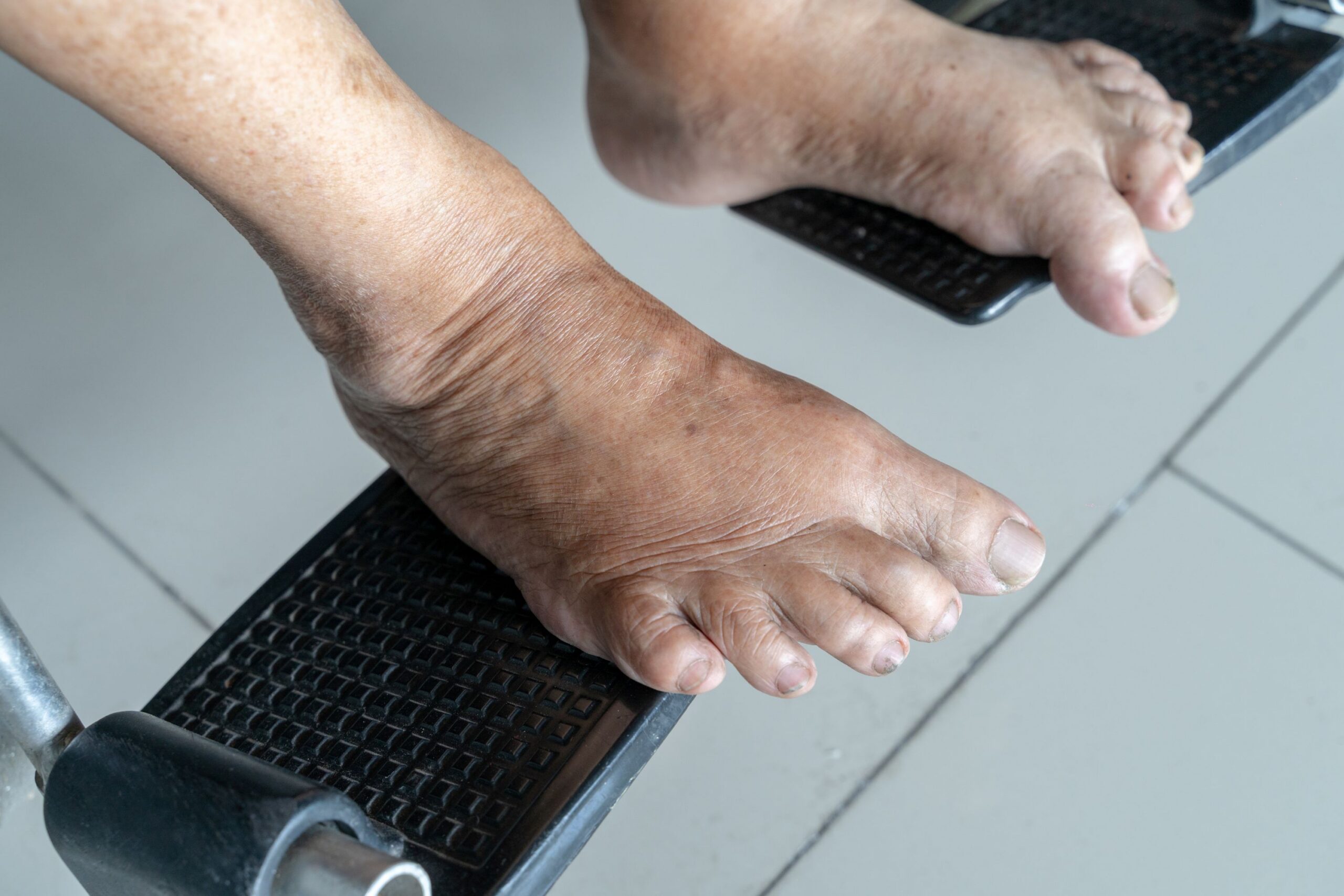
Poor circulation is one of the most common complaints that brings patients to a vein specialist, and for good reason: when blood flow is compromised, the effects ripple through your entire lower body. If you have been noticing persistent leg heaviness, swelling in your feet and ankles, or skin changes that do not seem to resolve on their own, poor circulation may be a contributing factor worth taking seriously. This page is designed to help you understand what drives circulatory problems in the legs, what warning signs deserve a professional evaluation, and what evidence-based treatment options are available at the Miller Vein location closest to you. To speak with a specialist, give us a call today.
Poor circulation is not a diagnosis in itself; it is a description of what happens when the blood vessels responsible for delivering oxygen-rich blood and returning used blood to the heart are not functioning efficiently. Several underlying conditions can produce this effect.
The most common vascular cause of poor circulation in the lower extremities is chronic venous insufficiency (CVI). Healthy veins contain one-way valves that push blood upward against gravity. When those valves weaken or fail, blood pools in the lower legs, creating the pressure and swelling that many patients describe as a persistent heaviness or aching sensation. CVI may also lead to visible varicose veins, skin discoloration, open wounds near the ankle, or lower extremity lymphedema if left untreated.
A blood clot in a deep vein, known as deep vein thrombosis (DVT), can obstruct normal blood flow and cause sudden swelling, warmth, or redness in one leg. DVT requires prompt medical evaluation because of the risk of the clot traveling to the lungs. At Miller Vein, patients typically receive an ultrasound during their consultation so that conditions like DVT can be identified accurately before any treatment plan is recommended.
When people hear “poor circulation,” peripheral artery disease is often what comes to mind first, and for good reason. PAD develops when plaque builds up inside the arteries that carry oxygen-rich blood down to the legs and feet, narrowing them and restricting flow. Unlike venous conditions, which involve blood having trouble getting back up to the heart, PAD is a problem with blood getting down to the tissue in the first place.
PAD often presents differently than venous insufficiency. The hallmark symptom is claudication: cramping, aching, or fatigue in the calf, thigh, or foot that comes on with walking or exercise and eases with rest. Patients may also notice their feet feel cold to the touch, skin that looks pale, shiny, or bluish, hair loss on the lower leg, toenails that grow slowly or become brittle, and wounds or sores on the feet or toes that are slow to heal or do not heal at all. In more advanced cases, pain can occur even at rest, particularly at night, which is a sign that warrants prompt evaluation.
PAD is not just a comfort issue. Because it reflects the same underlying atherosclerosis that affects arteries throughout the body, it is also considered a marker of broader cardiovascular risk, including heart attack and stroke. This is one of the most important reasons an accurate diagnosis matters before starting any treatment: knowing exactly what is driving your symptoms is the only way to determine the right next step for your care.
Extended periods of sitting or standing, obesity, smoking, and certain systemic conditions can all contribute to poor circulation by increasing venous pressure or reducing vascular elasticity. Addressing these factors alongside vein-specific treatment often produces the most meaningful and lasting improvements in how patients feel day to day.
Poor circulation can present across a wide range of severity, and some of the most significant conditions are also the most under-recognized. Knowing which symptoms warrant a professional conversation is an important first step.
One useful distinction: venous symptoms like heaviness and swelling tend to build throughout the day and improve with elevation, while arterial symptoms like PAD-related cramping typically appear during activity and ease with rest. Because the two can overlap or coexist, a proper evaluation is the only reliable way to tell them apart.
Patients experiencing poor circulation frequently report leg heaviness or fatigue that worsens as the day progresses, swelling in the feet, ankles, or calves, a cramping or restless sensation in the legs at night, visible bulging veins, and skin that appears darkened or feels thickened around the lower leg and ankle. Some patients also notice that minor cuts or scrapes in the lower leg area are slow to heal, which can be a signal of venous insufficiency-related leg wound concerns that benefit from specialist oversight.
Sudden onset of swelling in one leg, pain that intensifies with walking, or a wound that has been present for more than a few weeks without improvement should prompt a timely evaluation. These presentations can indicate conditions such as DVT or venous ulceration that carry meaningful health implications if not properly assessed. Miller Vein’s physician-led approach prioritizes accurate diagnosis before any treatment is considered, so patients can feel confident that recommendations are based on their actual clinical picture, not a predetermined procedure path.
Not all poor circulation presents dramatically. Some patients live with low-grade leg discomfort for years before connecting it to a venous cause. If your legs feel tired after standing for even moderate periods, or if you notice that compression socks seem to help but you are not sure why, those are meaningful data points worth discussing with a vein specialist. Read more about how compression stockings support circulation and when they are part of a broader treatment strategy.
Treating poor circulation effectively starts with identifying the specific underlying condition. There is no single intervention that addresses every cause, which is why a thorough diagnostic evaluation is the foundation of care at Miller Vein.
Typically, patients at Miller Vein receive a venous duplex ultrasound during their consultation. This imaging study allows the specialist to map blood flow through the deep and superficial veins, identify reflux or obstruction, and confirm whether a condition like chronic venous insufficiency, DVT, or another structural issue is contributing to your symptoms. This step is not optional because treatment recommendations that are not grounded in imaging are not recommendations you should feel comfortable accepting.
When treatment is appropriate, all procedures at Miller Vein are performed in the office, and most medical procedures are completed in less than 30 minutes. Patients typically return to their normal routines after treatment, without extended recovery periods. Treatment options for venous insufficiency and related circulation concerns may include endovenous ablation techniques and ultrasound-guided approaches tailored to each patient’s anatomy and severity. Varicose vein treatment options are discussed fully during consultation so patients understand what is being recommended and why.
Many of the conditions that contribute to, or coexist with poor circulation, including chronic venous insufficiency, varicose veins, lymphedema, lipedema, and venous leg wound care, are typically covered by insurance when medically necessary criteria are met. Miller Vein accepts more than 700 insurance plans, which removes a significant barrier for patients who have delayed seeking care over concerns about cost. If your condition qualifies for coverage, the team will help navigate that process clearly and honestly.
Patients in Southeast and West Michigan have access to Miller Vein’s network of board-certified vein specialists at nearby locations including Novi, Troy, and Holland. Miller Vein has earned over 2,750 5-star reviews, and more than 3,500 referring physicians have trusted the practice with their patients. That level of confidence from both patients and the medical community reflects a practice built on consistent, ethical care. Miller Vein is also recognized by Crain’s Detroit Business as one of Michigan’s Best Places to Work, a reflection of the culture of respect and professionalism that patients experience at every visit. The practice’s guiding principle, that diagnosis always comes before treatment and that procedures are only recommended when genuinely appropriate, offers exactly the reassurance that many patients need before walking through the door. Read what patients are saying and see why so many Southeast and West Michigan residents trust Miller Vein with their vein health.
Leg heaviness, swelling, cramping, and skin changes can result from a range of conditions, including venous insufficiency, lymphedema, or musculoskeletal issues. The most reliable way to identify the cause is a professional evaluation that includes venous duplex ultrasound imaging. At Miller Vein, patients typically receive this imaging during their initial consultation, so the diagnosis is grounded in what is actually happening in your veins.
Not always. “Poor circulation” is a general term that can describe either venous problems, where blood has difficulty returning to the heart, or arterial problems like peripheral artery disease (PAD), where narrowed arteries restrict blood flow to the legs and feet. The two have different symptom patterns, different risks, and different treatments, which is why an accurate diagnosis, rather than the general label of “poor circulation,” is the necessary first step.
It depends on the underlying cause. Some forms of poor circulation are primarily uncomfortable and affect quality of life, while others, such as deep vein thrombosis or venous leg ulcers, carry meaningful health risks if not addressed promptly. This is why a proper evaluation matters. A board-certified vein specialist can help you understand whether your symptoms require active treatment or monitoring, and what that timeline should look like for your specific situation.
Many of the conditions that contribute to, or coexist with poor circulation, including chronic venous insufficiency, varicose veins, lymphedema, lipedema, and venous wound care, are typically covered by insurance when medically necessary criteria are met. Miller Vein accepts more than 700 insurance plans. If you are unsure whether your condition qualifies, the team can help clarify coverage during your consultation. Cosmetic concerns such as spider veins are generally not covered by insurance and are handled separately.
Your first visit begins with a conversation about your symptoms and health history, followed by a venous duplex ultrasound if your concerns are medical in nature. This imaging is performed during the consultation and gives the specialist the information needed to provide an accurate diagnosis. You will leave your first visit with a clear picture of what is contributing to your symptoms and a transparent explanation of whether treatment is appropriate for your situation. No pressure, no unnecessary procedures.
Yes, we have six convenient locations in Southeast Michigan, all part of Miller Vein’s network of eight total Michigan locations. Give us a call to find the location that works best for you.
If poor circulation has been affecting your quality of life, the board-certified vein specialists at Miller Vein are ready to help you find answers. With convenient nearby locations, more than 700 accepted insurance plans, and a commitment to honest, diagnosis-first care, getting the evaluation you need is straightforward. Reach out to us to schedule your consultation today.
Prefer a call? Fill out the form below, and our team will reach out to help you coordinate your visit.
"*" indicates required fields
Save time by selecting your own appointment slot through our secure scheduling portal.
