Ready to Schedule?
Save time by selecting your own appointment slot through our secure scheduling portal.


Medically reviewed by Miller Vein
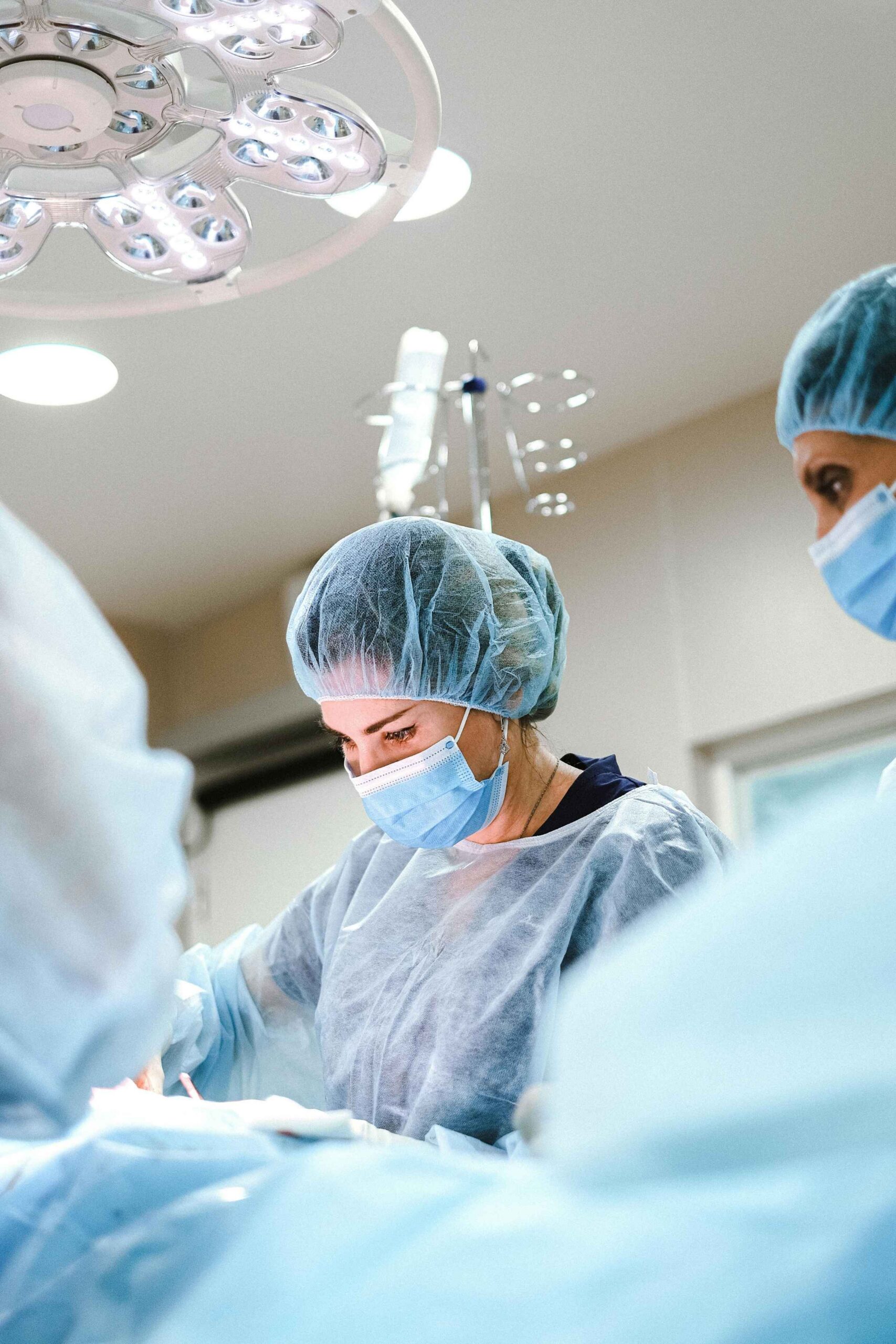
Operating Room (OR) nurses and other healthcare professionals play a crucial role in the healthcare system—often working long hours in demanding environments.
This dedication comes with significant health risks, one of which is Chronic Venous Insufficiency (CVI).
Our page covering how we treat CVI has the details.
This condition, characterized by poor blood flow in the veins, can lead to serious complications if not addressed.
We explain when vein valves stop working properly in plain language on our site.
The following is based on interesting findings from a recent study titled: Photoplethysmography-based assessment of varicose vein-related risk factors, exercise health beliefs, and venous refill time in healthcare professionals working in operating rooms and outpatient clinics. Yeah… it’s a long one.
CVI occurs when the veins in the legs fail to efficiently return blood to the heart, causing blood to pool in the lower extremities.
This can result in symptoms such as swelling, pain, and varicose veins. Over time, if left untreated, CVI can lead to more severe issues like skin changes and ulcers.
Healthcare professionals, particularly those working in operating rooms, are particularly susceptible to CVI due to the nature of their work.
Prolonged standing, a common requirement in the operating room, significantly increases the risk. The physical demands of assisting in surgeries and the need to remain stationary for extended periods exacerbate the condition.
The study found that OR nurses had shorter venous refill times, which is a bad thing, and experienced more pain due to prolonged standing—despite their high health beliefs concerning exercise.
To mitigate the risk of CVI, healthcare professionals (and anyone else for that matter) should adopt several preventive strategies:
Awareness and proactive measures are essential in addressing the risk of CVI among healthcare professionals—especially for OR nurses who are on their feet all day.
By understanding the condition and implementing preventative strategies, our heroes in scrubs can protect their health while continuing to provide exceptional care to their patients.
Şirin, G., Karaveli Cakir, S., Eryiğit, S., Toz, H., Pirhan, O., Erpolat Taşabat, S., & Çalişkan, İ. (2024). Photoplethysmography-based assessment of varicose vein-related risk factors, exercise health beliefs, and venous refill time in healthcare professionals working in operating rooms and outpatient clinics. Phlebology, 39(10), 651–659.
Prefer a call? Fill out the form below, and our team will reach out to help you coordinate your visit.
"*" indicates required fields
Save time by selecting your own appointment slot through our secure scheduling portal.
