Ready to Schedule?
Save time by selecting your own appointment slot through our secure scheduling portal.


Medically reviewed by The Miller Vein Team
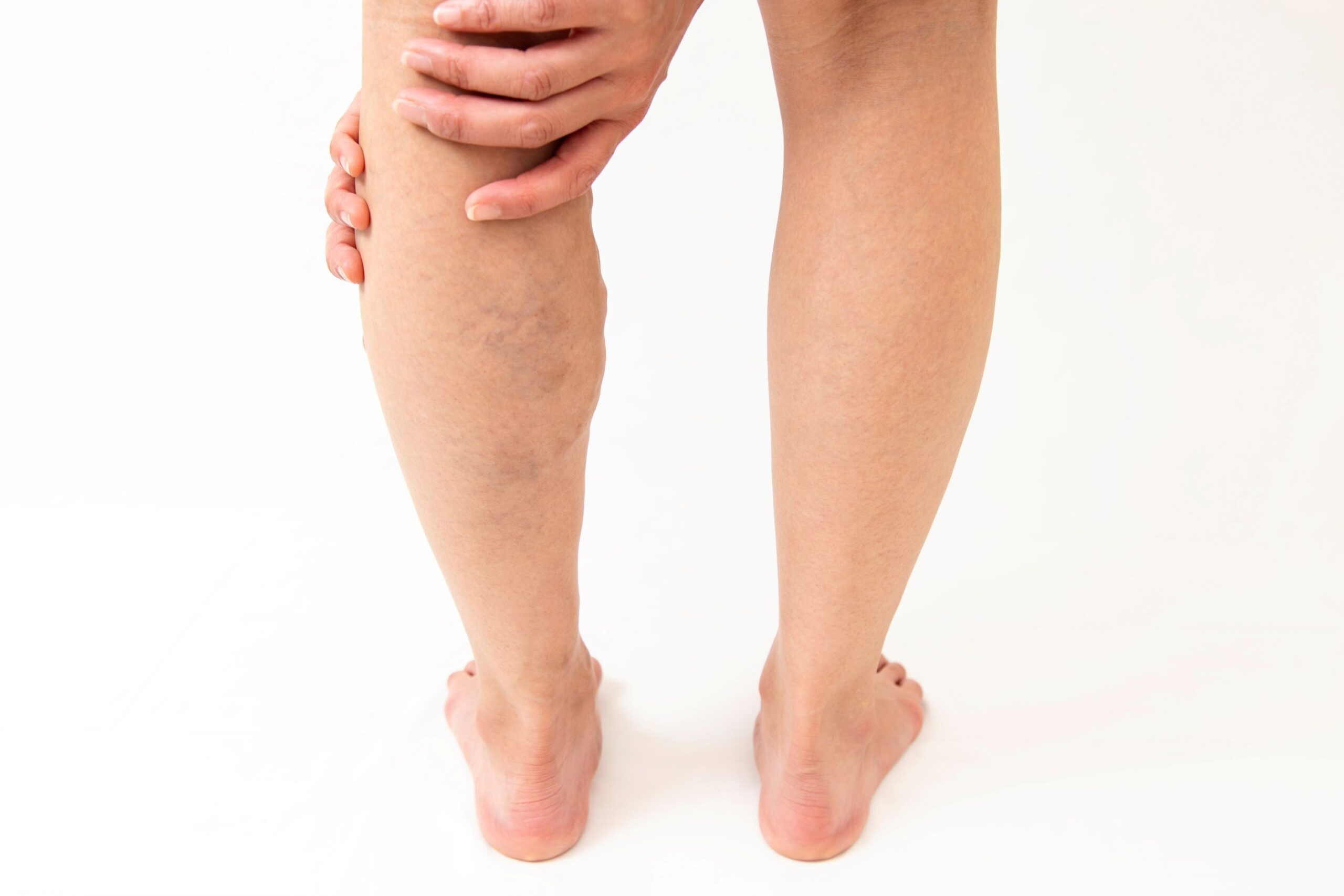
When you have a leaky (incompetent) great saphenous vein (GSV) causing varicose veins, aching, swelling, or skin changes, closing that vein is one of the most effective treatments available. But how the vein is closed matters—especially when the problem extends below the knee. Here’s why many vein specialists now reach for VenaSeal “glue” closure instead of heat-based treatment in that part of the leg.
Both procedures are done in the office through a tiny catheter (a thin tube) placed in the vein under ultrasound guidance. The goal is the same: seal the diseased vein so blood reroutes to healthy veins. But they get there in very different ways.
Radiofrequency ablation (RFA) uses heat. A catheter warms the vein from the inside, creating a scar that closes it off. Because heat is involved, the vein specialist first injects numbing fluid all along the vein (called tumescent anesthesia)—usually many small needle sticks—both to numb the area and to create a protective “cushion” of fluid around the vein.
VenaSeal (cyanoacrylate closure, or CAC) uses a medical adhesive—essentially a specialized surgical glue. Small amounts are delivered inside the vein, gently pressing the walls together so they bond and seal. There’s no heat, and no tumescent anesthesia is needed—just a single numbing spot where the catheter goes in.
Above the knee, the GSV sits relatively far from major sensory nerves. But below the knee, the saphenous nerve runs right alongside the vein. This nerve carries sensation from the inner calf, ankle, and foot.
When heat is used this close to the nerve, it can irritate or injure it. The result is paresthesia—numbness, tingling, burning, or “pins and needles” along the inner lower leg. It’s usually temporary, but it can be bothersome and occasionally lasts longer.
This is exactly why many specialists have traditionally been cautious about treating the below-knee GSV with heat, or avoided it altogether—even though that’s often where symptoms come from.
Because VenaSeal works chemically from inside the vein and generates no heat, there’s simply less opportunity to injure the nearby nerve. The evidence backs this up:
Avoiding nerve problems would mean little if the treatment didn’t work—but it does. In the landmark VeClose randomized trial, glue closure was shown to be at least as good as RFA at keeping the vein closed, with roughly 95% of veins still sealed years later. Multiple reviews since then confirm that closure rates and symptom improvement are essentially the same between the two approaches.
Beyond nerve protection, patients often appreciate that VenaSeal:
VenaSeal isn’t right for everyone. The glue can occasionally cause phlebitis (a temporary inflammatory reaction in the vein) or, rarely, an allergic-type hypersensitivity reaction, and as with any vein procedure, there’s a small risk of a blood clot. Your specialist will review your anatomy, symptoms, and medical history to recommend the best approach for you.
For the below-knee great saphenous vein, where the saphenous nerve sits dangerously close, VenaSeal glue closure offers a compelling advantage: it closes the vein just as reliably as radiofrequency ablation while meaningfully lowering the chance of nerve irritation and the numbness or tingling that can come with it—all with less bruising, fewer needles, and a quick return to daily life.
If you have varicose veins or leg symptoms extending below the knee, ask your vein specialist whether VenaSeal is a good fit for you.
Dermatologic Surgery: Official Publication for American Society for Dermatologic Surgery. 2021. Chen M, Mou S, Dai G, Hu J.SR
Prefer a call? Fill out the form below, and our team will reach out to help you coordinate your visit.
"*" indicates required fields
Save time by selecting your own appointment slot through our secure scheduling portal.
