
Ready to Schedule?
Save time by selecting your own appointment slot through our secure scheduling portal.


Medically reviewed by Miller Vein
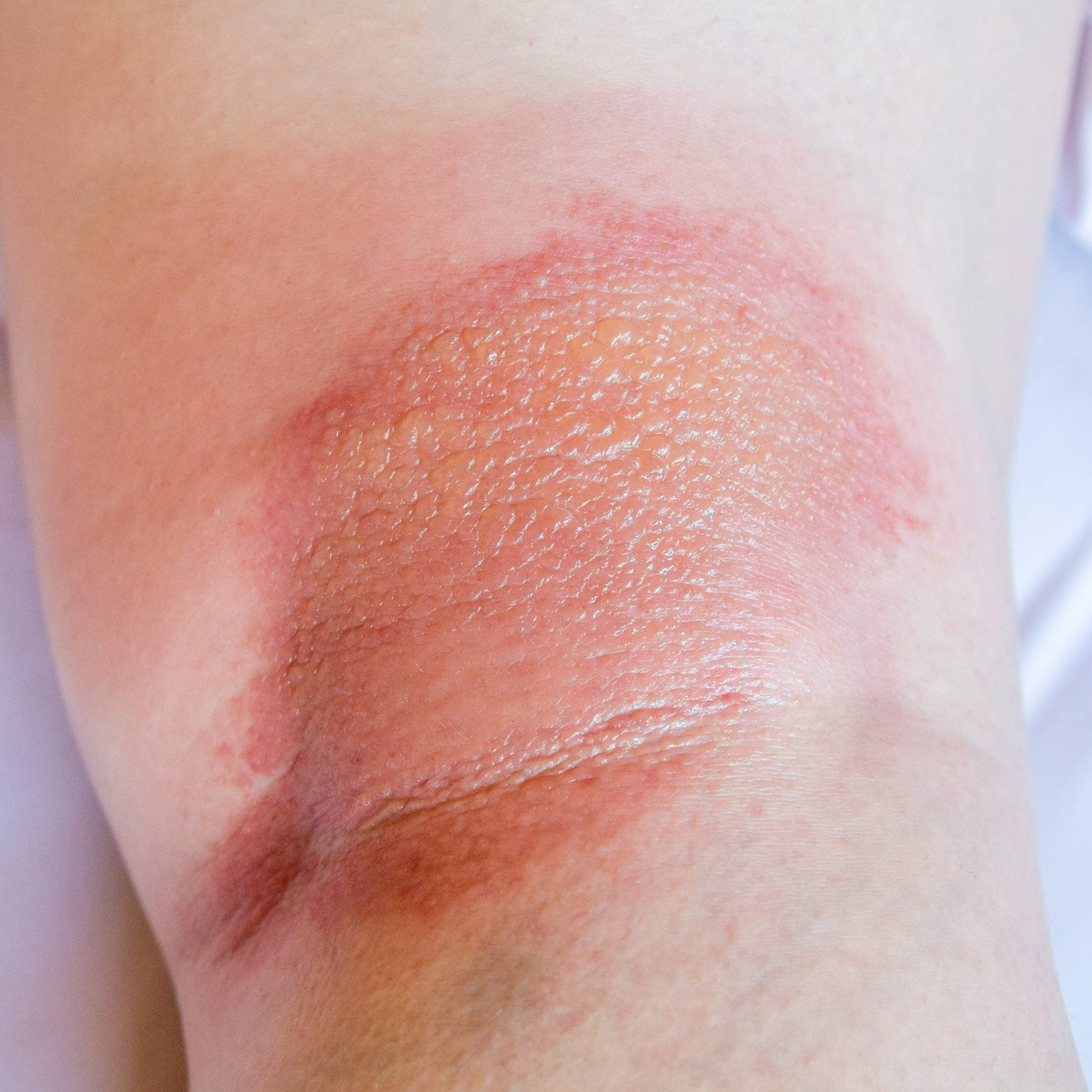
Stasis dermatitis, also known as venous eczema, is a skin condition that primarily affects the lower legs of older individuals.
Venous eczema occurs when there is poor blood flow in the veins, leading to increased pressure and inflammation in the skin. This condition is often associated with chronic venous insufficiency (CVI), where the veins struggle to return blood from the legs to the heart.
Take the next step and explore CVI treatment — it’s easier than most patients expect.
If your legs itch—and you have patches of eczema—think veins!
Stasis dermatitis is caused by venous hypertension, which results from incompetent venous valves, valve destruction, or venous obstruction. This leads to retrograde blood flow, causing swelling and skin changes.
Factors such as older age, female sex, pregnancy, obesity, prolonged sitting or standing, heart failure, and a family history of venous disease can increase the risk of developing stasis dermatitis.
The symptoms of stasis dermatitis include:
The affected areas often appear red and swollen, and the skin may become thickened and leathery. In severe cases, stasis dermatitis can lead to venous ulcers, which are painful sores that can be difficult to heal.
Diagnosing stasis dermatitis involves a clinical evaluation of the affected skin and the patient’s medical history. If the diagnosis is inconclusive, duplex ultrasound (a non-invasive imaging test) can be used to assess venous reflux and identify potential venous obstructions.
In some cases, a biopsy may be performed to confirm the diagnosis, where a small tissue sample is taken and examined.
One of the cornerstones of treatment for stasis dermatitis has historically been compression therapy, which helps reduce swelling and improve blood flow. Compression stockings or bandages are commonly used, although adherence to this treatment can be challenging.
Treating venous reflux with in-office procedures treats the underlying cause. Getting treatment sooner than later will help prevent progression of this uncomfortable condition.
Topical treatments, such as corticosteroids and emollients, can help alleviate skin symptoms like itching and dryness.
Reference: American Journal of Clinical Dermatology (2023) 24:275–286. https://doi.org/10.1007/s40257-022-00753-5
Prefer a call? Fill out the form below, and our team will reach out to help you coordinate your visit.
"*" indicates required fields
Save time by selecting your own appointment slot through our secure scheduling portal.
