Ready to Schedule?
Save time by selecting your own appointment slot through our secure scheduling portal.


Medically reviewed by Miller Vein
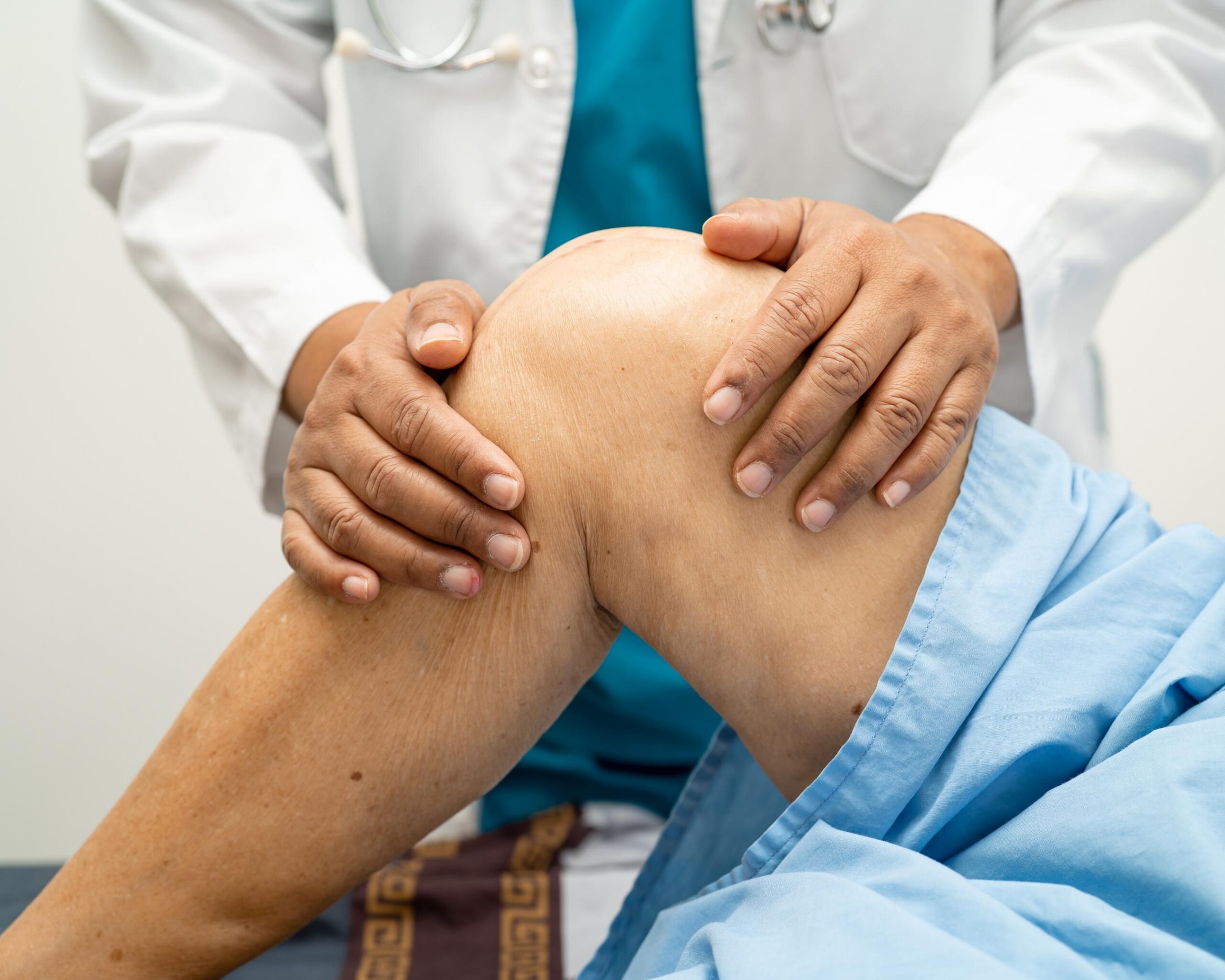
If you’ve ever felt a dull ache, heaviness, or even sharp pain in your legs after standing for a while, you’re not alone.
For many people, these symptoms are caused by varicose veins—those twisted, enlarged veins that often appear on the legs. But what exactly causes the pain?
If these symptoms sound familiar, expert varicose vein care can address the root cause — not just the discomfort.
Let’s break it down in simple terms.
Varicose veins happen when the tiny valves inside your veins stop working properly. Normally, these valves help blood flow back up toward your heart. But when they weaken or fail, blood can pool in your legs, causing the veins to swell and twist.
The pain from these visible veins isn’t just about the veins looking swollen. Varicose veins hurt as a result of several things happening inside your body:
When blood pools in your veins, it increases pressure. This pressure stretches the vein walls and surrounding tissues, which can trigger pain receptors—kind of like blowing up a balloon until it’s too tight.
The body sees this pressure and pooling as a problem and responds with inflammation. Inflammation releases chemicals that can irritate nearby nerves, making your legs feel sore, itchy, or cause a burning sensation.
Over time, the nerves around varicose veins can become more sensitive. This means even light pressure or standing for a short time can feel uncomfortable or painful.
The blood that pools in varicose veins can become low in oxygen and high in waste products. These chemical changes can irritate the vein walls and surrounding tissues, adding to the discomfort.
People describe varicose vein pain in different ways:
The good news is that there are many ways to manage varicose vein pain. While lifestyle changes like elevating your legs and wearing compression stockings can offer some benefit, in-office medical treatments that close off or remove the problematic veins offers long-lasting results.
If you’re experiencing leg pain and think varicose veins might be the cause, talk to your healthcare provider or schedule an appointment with Miller Vein.
Ultimately, understanding the “why” behind the pain is the first step toward finding relief.
Phlebolymphology. (n.d.). Pathophysiology of pain in venous disease. phlebolymphology.org
Prefer a call? Fill out the form below, and our team will reach out to help you coordinate your visit.
"*" indicates required fields
Save time by selecting your own appointment slot through our secure scheduling portal.
