





Contact Us

Living with lymphedema means navigating a condition that is chronic, progressive, and often misunderstood. The persistent swelling, discomfort, and physical limitations it causes can affect nearly every aspect of daily life. But with the right care, lymphedema is manageable, and your quality of life can meaningfully improve.

At Miller Vein, we are proud to be the first and only vein clinic in Michigan to offer on-site Certified Lymphedema Therapy. Our dedicated, in-house program brings together specialized expertise, proven treatment methods, and the kind of compassionate, personalized care that complex conditions like lymphedema require. If you or someone you love is dealing with lymphedema, you are in the right place.

The good news: effective care is available — explore lymphedema treatment options to see how our specialists can help.

What Is Lymphedema?

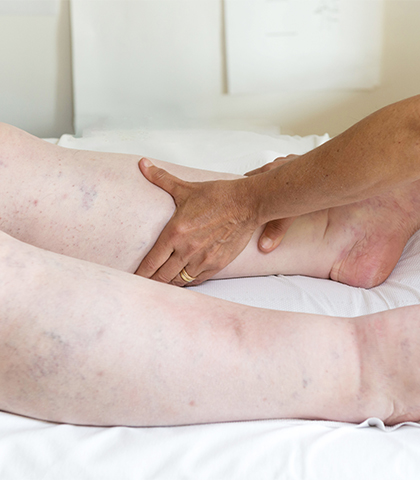
Lymphedema is a chronic condition in which excess fluid accumulates in the soft tissues of the body, including fat and muscle, causing swelling, discomfort, and reduced mobility. It most commonly affects the arms or legs, though it can occur in other parts of the body as well.

To understand why lymphedema develops, it helps to know how the lymphatic system works. The lymphatic system is a network of vessels and nodes that runs throughout the body, collecting excess fluid from the tissues and returning it to the bloodstream. When this system is damaged, blocked, or otherwise unable to function properly, fluid builds up rather than draining normally, and lymphedema occurs.

Lymphedema is a long-term condition that does not resolve on its own. Without appropriate treatment and management, it tends to worsen over time, potentially leading to significant complications. However, with proper care, many people with lymphedema are able to reduce swelling, protect their skin, and maintain an active and comfortable life.
Types of Lymphedema

Lymphedema is broadly classified into two types based on its underlying cause, and understanding which type you have matters for guiding the most appropriate treatment approach.

We’ve also covered benefits of manual lymphatic drainage in more depth on our blog.

Primary Lymphedema

Primary lymphedema results from a structural abnormality in the lymphatic system itself, typically a condition present from birth or that develops during puberty or early adulthood without any identifiable external cause. The lymphatic vessels may be malformed, underdeveloped, or absent. Primary lymphedema is less common than the secondary form and is often genetic in nature.

Many patients also benefit from decongestive therapy for swelling as part of a complete treatment plan.

Secondary Lymphedema

Secondary lymphedema is far more prevalent and develops as a result of damage to or obstruction of a previously normal lymphatic system. Common causes include:

  • Cancer treatment, particularly the surgical removal of lymph nodes or radiation therapy, which can disrupt lymphatic drainage pathways in the affected region
  • Infection, including parasitic infections such as filariasis, which is a leading cause of lymphedema worldwide
  • Trauma or injury to the lymphatic vessels
  • Chronic venous insufficiency (CVI), which is a particularly important and sometimes overlooked cause. When the veins in the legs are unable to return blood to the heart efficiently, the resulting increase in fluid in the tissues can overwhelm the lymphatic system over time, leading to secondary lymphedema.
  • Surgery or repeated procedures in areas with dense lymphatic vessels, such as the groin or underarm

The connection between chronic venous insufficiency and lymphedema is worth highlighting because it means that effective lymphedema management sometimes requires treating underlying vein disease as well. Miller Vein’s unique combination of vascular and lymphedema expertise makes us particularly well-suited to address both aspects of care.

Patient Stories to
Legs Like New®

Star img
Star img

Great Clinic! So glad I went. My legs feel so much better! I can already see some of the benefits and will just get better over time! The doctors and staff are so kind and friendly. Such an easy location with lots of free parking. Highly recommend!!

— Vicky M.
Star img
Star img

My experience was amazing. I got there a little bit early, I was taken right back. Everybody was very nice, explained everything to me as they went. I would recommend Miller Vein to anybody; they are fantastic.

— Stacie N.
Star img
Star img

The office was clean and very visually appealing. The staff were all courteous and professional. Each part of the exam was well described prior to it happening. The doctor listened intently and explained thoroughly. This was an enjoyable experience putting my anxiety at ease.

— Rosalind D.
Star img
Star img

The staff was wonderful and really took my concerns and put my mind at ease. I would definitely recommend them to everyone. Staff on time, and had my ultrasound done and saw the doctor and was out of the office start to finish 90 minutes, was first visit. The Dearborn office was wonderful.

— Theresa H.
prev
next

Causes and Risk Factors for Lymphedema

Lymphedema can develop in anyone, but certain factors increase the risk significantly, including the following:

Breast Cancer Treatment

Breast cancer treatment (or breast cancer surgery) is one of the most commonly recognized causes of secondary lymphedema. When surgeons remove lymph nodes and treat the area with radiation to the chest or underarm region, it can impair lymphatic drainage from the arm. Other cancers involving lymph node removal or radiation, including melanoma, gynecologic cancers, and head and neck cancers, carry similar risks.

Chronic Venous Insufficiency

Chronic venous insufficiency is an underappreciated but significant cause of secondary lymphedema in the legs. When the veins cannot adequately pump blood back toward the heart, excess fluid leaks into the surrounding tissue. Over time, the lymph system, which is responsible for clearing that fluid, can become overtaxed and begin to fail. The result is a combination of venous and lymphatic dysfunction that requires coordinated treatment.

Obesity

Excess body weight places substantial strain on both the venous and lymphatic systems. Obesity is increasingly recognized as an independent risk factor for lymphedema, and it can significantly worsen swelling and symptoms in people who already have the condition.

Infection and Inflammation

Recurrent infections such as cellulitis can cause scarring and damage to the lymphatic vessels over time, progressively impairing their ability to drain fluid. People with lymphedema are at elevated risk for cellulitis, and each infection can further worsen lymphatic function, creating a difficult cycle.

Factors That Can Worsen Existing Lymphedema

For people who already have lymphedema, certain situations can trigger a significant worsening of symptoms:

  • Any new infection in the affected region
  • Extreme heat or cold
  • Tight-fitting clothing or jewelry that restricts the affected limb
  • Insect bites or sunburns on the affected area
  • Prolonged standing or sitting without movement
  • Trauma or injury to the affected limb

Lymphedema Symptoms

Lymphedema symptoms can range from mild to severe and often develop gradually over time. In some people, swelling appears soon after a triggering event such as cancer surgery. In others, symptoms develop slowly over months or years.

Early Symptoms

Catching lymphedema early gives you the best opportunity to manage it effectively before it progresses. Early signs can be subtle and are sometimes dismissed or attributed to other causes:

  • A sense of heaviness, tightness, or fullness in an arm or leg
  • Mild swelling that comes and goes, often worse at the end of the day
  • Clothing, shoes, or jewelry fitting more snugly on one side of the body than the other
  • A feeling of achiness or fatigue in the affected limb

Progressive Symptoms

As lymphedema advances, symptoms typically become more persistent and pronounced:

  • Visible, persistent swelling in the arm, leg, hand, or foot, including puffiness in the toes or fingers
  • Aching, heaviness, or pain that does not improve with rest or elevation
  • Limited range of motion or increasing difficulty moving the affected limb
  • Skin changes, including thickening, hardening, or a leathery texture (a condition known as fibrosis)
  • Skin discoloration in the affected area
  • Recurrent infections such as cellulitis or lymphangitis, which can appear as redness, warmth, and rapid worsening of swelling
  • Open wounds or areas where lymph fluid weeps through the skin

How Is Lymphedema Diagnosed?

Diagnosing lymphedema begins with a thorough clinical evaluation, including a detailed medical history and physical examination. Your provider will assess the affected limb, review your history of cancer treatment, surgeries, infections, or vein disease, and evaluate the characteristics of the swelling.

Several tools and assessments can support the diagnosis:

  • Limb measurements are used to compare the affected and unaffected limbs. A difference in circumference or volume between sides is an objective indicator of lymphedema.
  • Imaging studies such as lymphoscintigraphy, a specialized medicine scan that tracks the flow of lymphatic fluid through the vessels, can confirm the diagnosis and help map lymphatic drainage pathways. Ultrasound may also be used to evaluate the veins and assess for underlying chronic venous insufficiency.
  • Tissue assessment helps evaluate the degree of skin and tissue changes, such as fibrosis or pitting, which can indicate how advanced the condition has become.

At Miller Vein, our evaluation process integrates vascular expertise with lymphedema specialty care to ensure that both the lymphatic and venous components of your condition are properly assessed. This is especially important because addressing underlying venous disease is often a critical part of achieving meaningful improvement in lymphedema symptoms.

Schedule a Consultation

Lymphedema is a complex condition, and it deserves specialized attention from a team that truly understands it. At Miller Vein, we have built Michigan’s only on-site Certified Lymphedema Therapy program because we know how much it matters to our patients’ lives.

If you are dealing with persistent swelling, recurring infections, or any of the symptoms described on this page, do not wait. Earlier intervention produces better outcomes, and our team is here to help you move forward.

Schedule your lymphedema consultation at Miller Vein today. Call our office or message us via our online contact form.

Our Lymphedema
Treatment Options

Though lymphedema is a chronic condition without a cure, it is very much treatable. With the right program, most people experience meaningful reductions in swelling, improved comfort, better skin health, and a significantly improved quality of life.

Miller Vein is the first and only vein clinic in Michigan to offer on-site Certified Lymphedema Therapy, delivered by our dedicated team of Certified Lymphedema Therapists (CLTs). This gives our patients access to the highest standard of lymphedema care in a setting that also allows for integrated vein treatment when underlying venous disease is present.

The gold standard for lymphedema treatment is Complete Decongestive Therapy (CDT), a comprehensive, multi-component program that our CLTs deliver across two structured phases.

The decongestive phase focuses on actively reducing existing swelling and improving skin condition. During this intensive phase, patients typically attend therapy sessions several times per week. Treatment during this phase includes manual lymphatic drainage, multilayer compression bandaging applied between sessions to maintain the gains from each treatment, therapeutic exercise designed to support lymphatic flow, and skin and nail care to reduce the risk of infection.

The maintenance phase begins once swelling has been reduced to a stable level. At that point, the focus shifts to self-management: helping patients sustain the results achieved during the decongestive phase through compression garments, home exercises, skin care routines, and education about daily habits that protect the lymphatic system. Our CLTs work closely with each patient to ensure the transition to self-management is smooth and well supported.

Manual lymphatic drainage (MLD) is a gentle, specialized form of therapeutic massage that uses light, rhythmic strokes to stimulate lymph flow, reroute fluid away from congested areas, and encourage drainage toward healthy lymph nodes. It is distinctly different from conventional massage in both technique and intent, and it should only be performed by trained and certified therapists.

Compression garments and bandages apply graduated pressure to the affected limb to support lymphatic flow and prevent fluid from re-accumulating. Selecting the right compression is an individualized process. Our CLTs work with each patient to identify the most appropriate garments for their specific anatomy, swelling pattern, and lifestyle. Patients are also trained on how to put on and remove compression garments properly, including those with limited hand strength or mobility due to arthritis.

For some patients, a pneumatic compression device can be a valuable supplement to in-clinic treatment and home compression garments. These devices use inflatable sleeves or cuffs that apply sequential, intermittent pressure to the limb, helping to move accumulated lymphatic fluid toward healthy lymph nodes and into the venous system.

Regular movement, particularly low-impact activities like walking or swimming, activates the muscle pump and supports lymphatic flow. Our CLTs guide patients in safe, appropriate exercises tailored to their condition and fitness level.

Skin care is a critical and often underemphasized component of lymphedema management. Because the skin over lymphedematous tissue is more susceptible to infection, keeping it clean, intact, and moisturized with low-pH products is essential. Our team provides detailed guidance on skin care routines that reduce the risk of cellulitis and other complications.

Nutrition and weight management play a supporting role as well, particularly for patients with lipedema or obesity-related lymphedema. While dietary changes cannot cure either condition, reducing inflammatory burden and managing body weight can ease the strain on the lymphatic system and improve overall responsiveness to treatment.

Because chronic venous insufficiency is a common underlying cause of secondary lymphedema in the legs, treating the vein disease directly is often an important part of the overall care plan. Miller Vein’s board-certified vein physicians perform quick, in-office venous ablation procedures that correct the faulty vein valves driving the venous component of the swelling. Addressing this root cause can significantly improve swelling, heaviness, and skin changes, and make lymphedema therapy more effective.

Frequently Asked Questions About Lymphedema

What is lymphedema?

Lymphedema is chronic swelling caused by a buildup of lymph fluid, usually in an arm or leg, due to a damaged or poorly functioning lymphatic system. Its a progressive condition that requires ongoing management.

What causes lymphedema?

Primary lymphedema results from inherited abnormalities of the lymphatic system, while secondary lymphedema is more common and results from damage caused by surgery, radiation, infection, or cancer treatment (especially lymph node removal).

What are the symptoms and stages of lymphedema?

Early signs include a feeling of heaviness, tightness, or mild swelling that may come and go. Left untreated, it can progress through stages marked by pitting swelling, skin thickening, and eventually fibrosis and hardened skin.

How is lymphedema treated?

Lymphedema is managed through complete decongestive therapy, which includes manual lymphatic drainage massage, compression bandaging or garments, exercise, and meticulous skin care. Some patients benefit from specialized surgical options like lymphaticovenous anastomosis in select cases.

Is lymphedema curable?

Theres currently no cure for lymphedema, but with consistent management most people can effectively control swelling, reduce complications like infection, and maintain a good quality of life.

Expert Insights

  • December 18, 2025
  • 3 min read

“Best Of” Awarded to Our Dearborn Clinic By BusinessRate

We weren’t expecting this particular holiday gift, but you all went ahead and got us one anyway! Based on your reviews of our Dearborn...

Read Blog
  • August 12, 2025
  • 3 min read

America’s Silent Epidemic: The Soaring Rise of Chronic Disease

When we think about major health threats, we often picture sudden illnesses like heart attacks or the flu. But one of the biggest challenges...

Read Blog

Have Us contact you or book online

Have us contact You

Prefer a call? Fill out the form below, and our team will reach out to help you coordinate your visit.

"*" indicates required fields