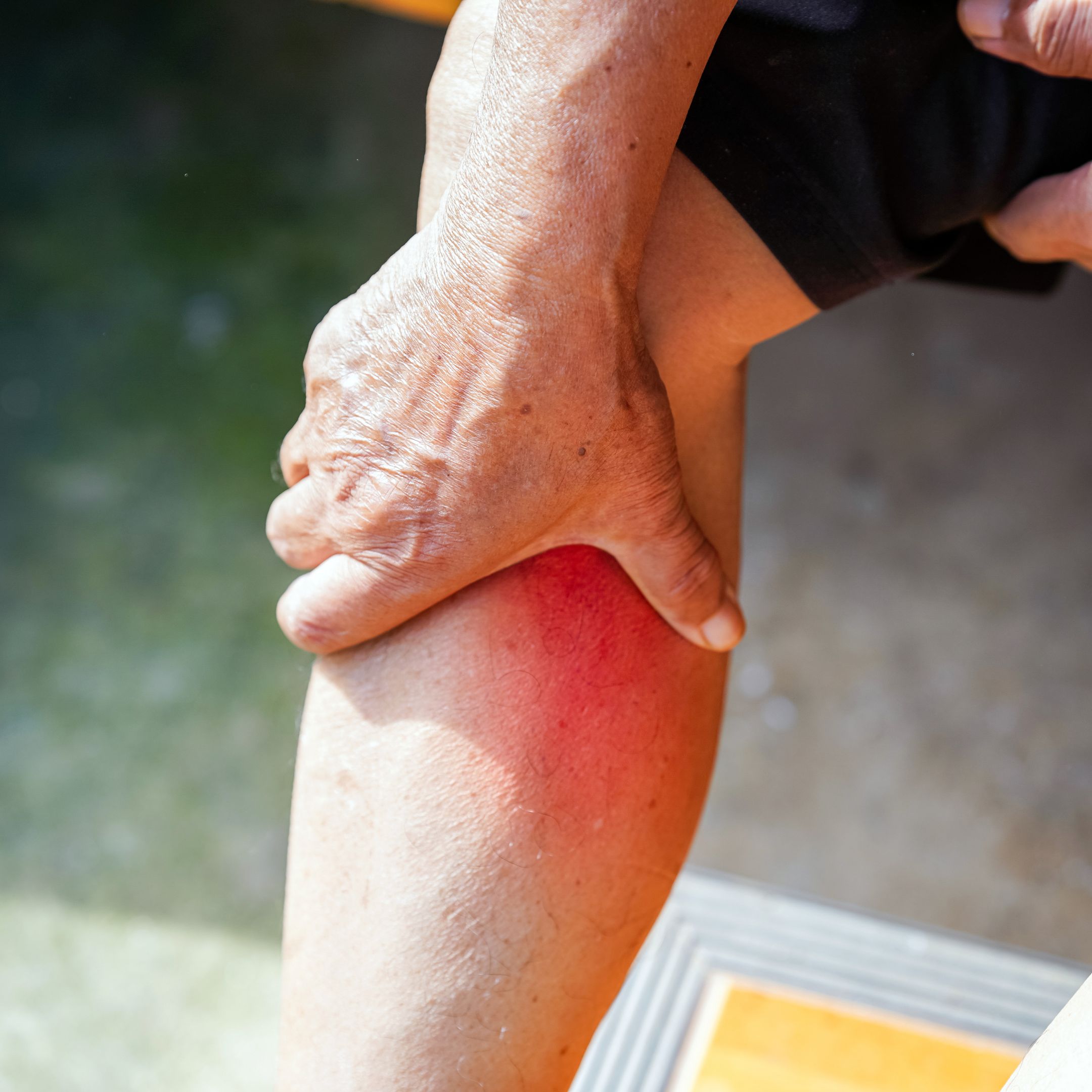
March is DVT Awareness Month, also known as Blood Clot Awareness Month!
This isn’t just another thematic national holiday.
Our page on treating deep vein thrombosis covers what treatment actually involves.
It’s a crucial public health initiative aimed at raising awareness and sharing life-saving information about deep vein thrombosis (DVT) and its fatal complication, pulmonary embolism (PE).
For more background, our guide to the dangers of untreated blood clots covers causes, symptoms, and warning signs.
Understanding Blood Clots: Awareness and Prevention
Blood clots, medically known as thrombosis, are gel-like collections of blood that form in veins or arteries, obstructing blood flow.
While clotting is a natural response to injury, abnormal clots can lead to serious health issues, including deep vein thrombosis (DVT) and pulmonary embolism (PE).
Key Statistics
- Approximately 1 in 20 individuals will experience a blood clot in their lifetime.
- Every year in the USA, 2 million people suffer a venous thrombotic event, leading to around 600,000 pulmonary embolisms and 200,000 deaths—the number one cause of unexpected death.
- VTE (Venous Thromboembolism) is the leading cause of preventable hospital deaths, with 2 out of 3 cases potentially preventable.
Real-Life Impact
- Rapper Heavy D died from a pulmonary embolism caused by a DVT, likely formed during a flight.
- Melanie Bloom, widow of NBC correspondent David Bloom, advocates for DVT awareness after her husband’s unexpected death from a clot.
Signs and Symptoms
Blood Clot in the Arm or Leg (Deep Vein Thrombosis – DVT)
- Swelling
- Pain or tenderness not caused by injury
- Skin that is warm to the touch
- Redness or discoloration of the skin
Blood Clot in the Lung (Pulmonary Embolism – PE)
- Difficulty breathing
- Chest pain that worsens with a deep breath
- Coughing, or coughing up blood
- Faster than normal or irregular heartbeat
Risk Factors
- Older age (risk increases after age 40)
- Overweight or obesity
- Recent surgery or major injury (20% of patients undergoing major surgery develop DVT, and over 40% with major orthopedic surgery)
- Use of estrogen-containing contraceptives or hormone replacement therapy
- Pregnancy and the postpartum period (up to 3 months after childbirth)
- Family history of DVT/PE
- Prolonged sitting or immobility, like during long flights or hospitalization
- Smoking and certain medications (like cancer drugs or birth control pills)
Prevention Tips
- Stay Active: Regular physical activity helps maintain healthy blood flow.
- Manage Weight: Maintaining a healthy weight reduces pressure on veins.
- Stay Hydrated: Proper hydration prevents blood from thickening.
- Discuss Medications: Consult with healthcare providers about the risks associated with hormone-based medications.
- Be Aware During Travel: On long trips, move periodically to promote circulation.
Treatment Options
- Anticoagulation Therapy: Blood thinners to prevent clot growth.
- Catheter-Directed Treatments: Directly breaking up or removing the clot.
- Mechanical Thrombectomy: Physically removing the clot with specialized equipment.
- Compression Stockings: Helps prevent post-thrombotic syndrome (PTS) after a DVT.
Conclusion
Awareness is the first step in preventing and effectively treating blood clots. Recognizing the signs, understanding risk factors, and implementing preventive measures can significantly reduce the threat posed by blood clots.
If you suspect you have a blood clot, seek medical attention immediately—it can save your life.